
Project Highlights
Brief Overview
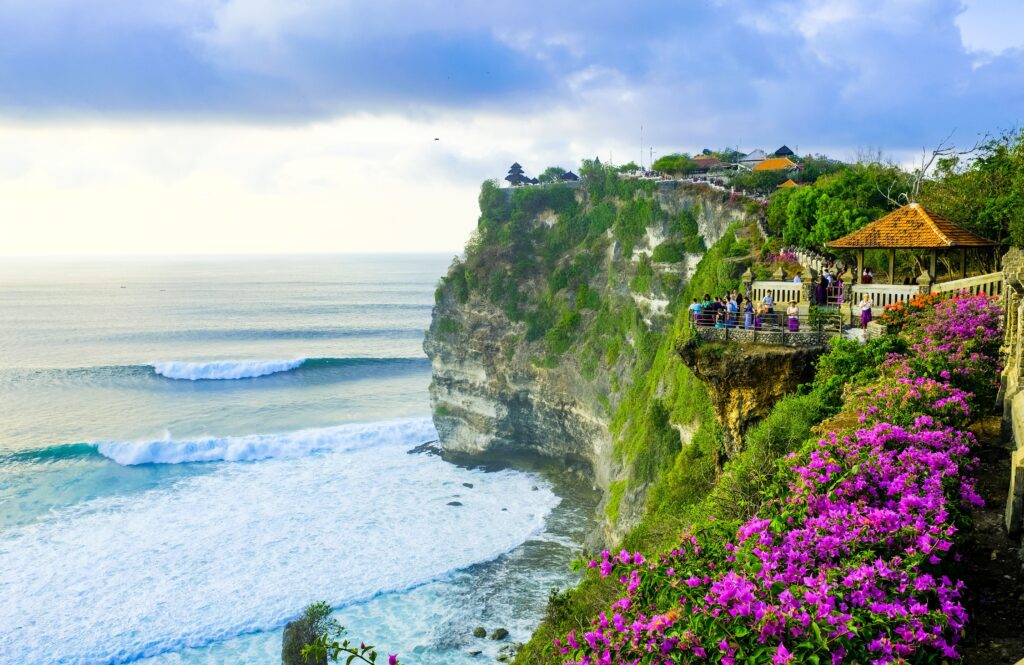
Uluwatu, located on Bali’s southern Bukit Peninsula, has evolved from a niche surf destination into one of the island’s most premium and strategically important real estate markets. Known for its dramatic cliffs, ocean views, and luxury villas, the area attracts high-end travelers, couples, and investors seeking exclusivity and strong rental potential. Its natural landscape plays a central role in shaping both its appeal and property value, particularly for cliffside and ocean-view developments.
The area is currently undergoing rapid transformation, with increasing development of boutique resorts, architect-designed villas, and upscale lifestyle venues. While it offers lower density and a quieter atmosphere compared to areas like Canggu or Seminyak, infrastructure is still developing. This creates both opportunities for early investors and challenges that require careful planning, particularly regarding location, accessibility, and utilities such as water supply.
Key features
Premium real estate market with strong international appeal
High-end villas with ocean and cliffside views
Growing tourism demand driven by luxury travelers
Increasing number of beach clubs, restaurants, and lifestyle venues
Lower density and more exclusive atmosphere than central Bali
Strong potential for capital appreciation in well-located projects
Seasonal and niche rental demand dynamics
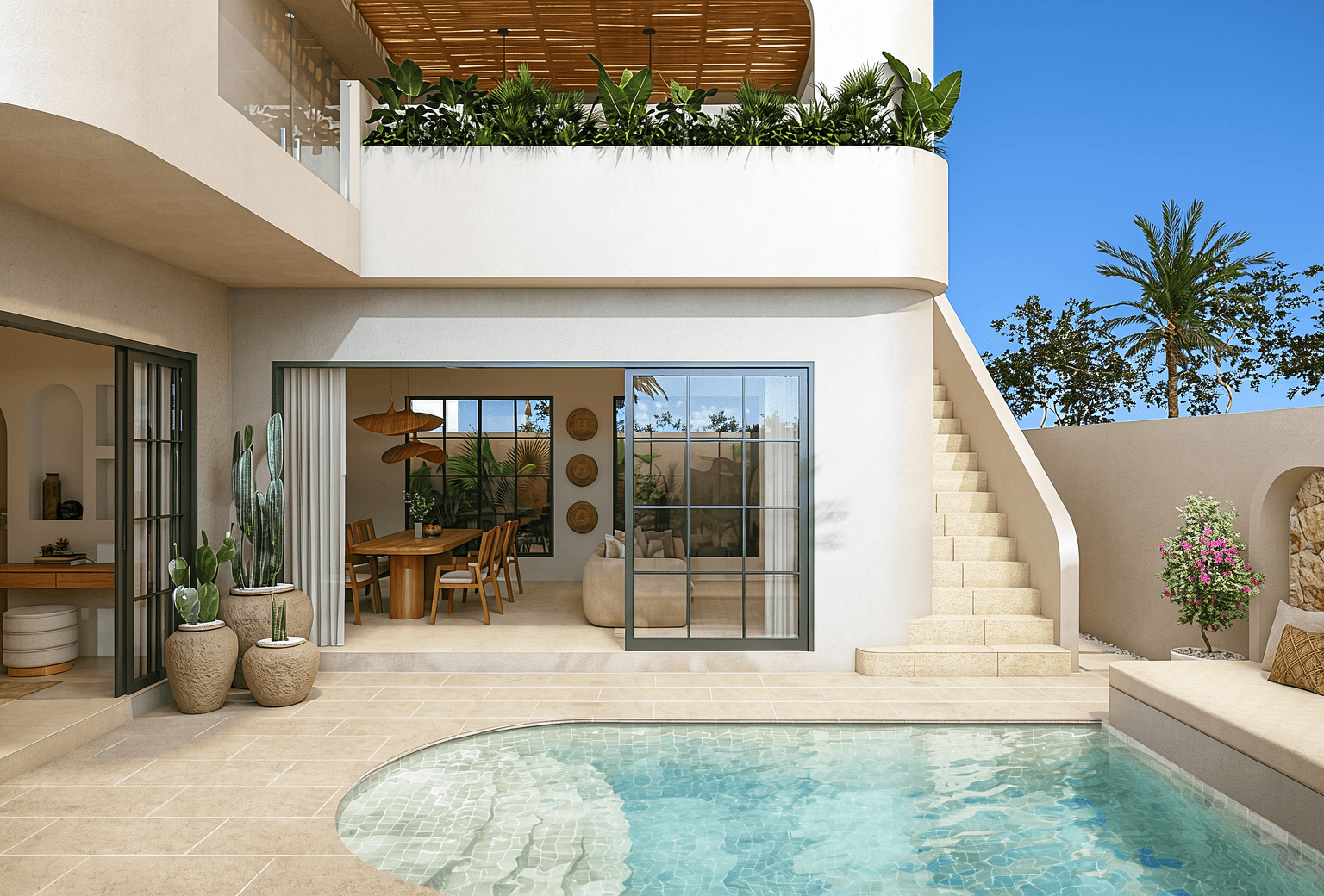
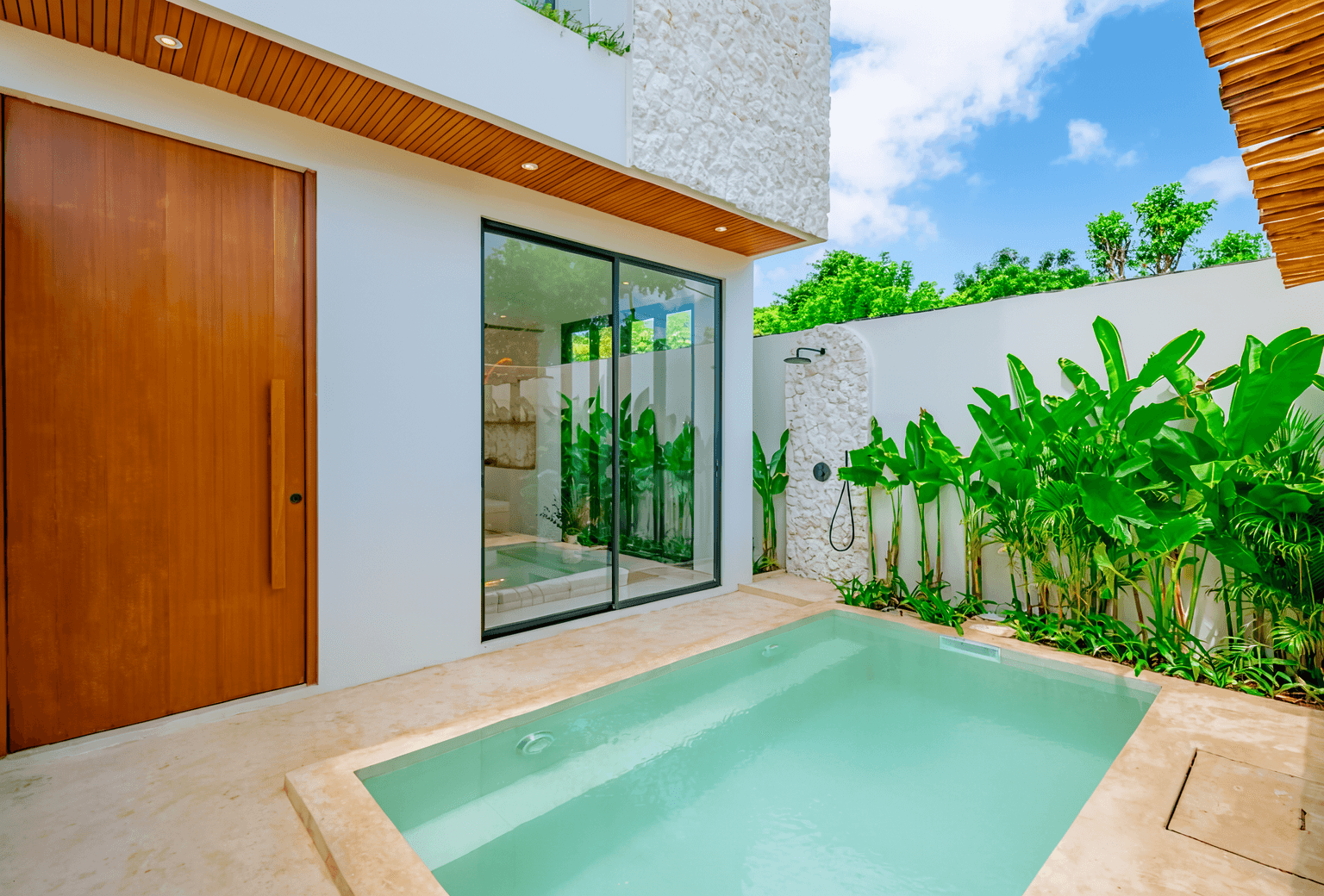
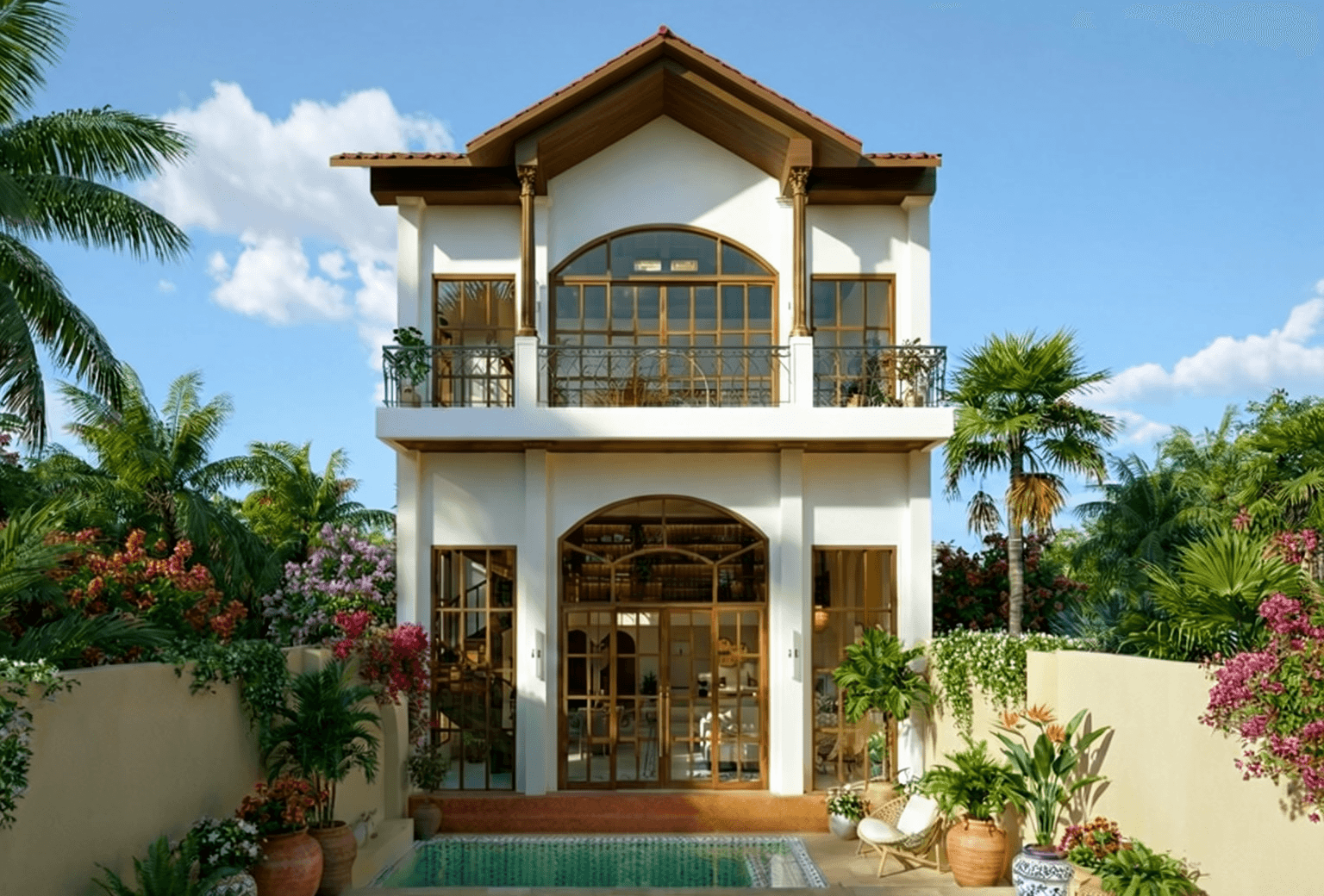
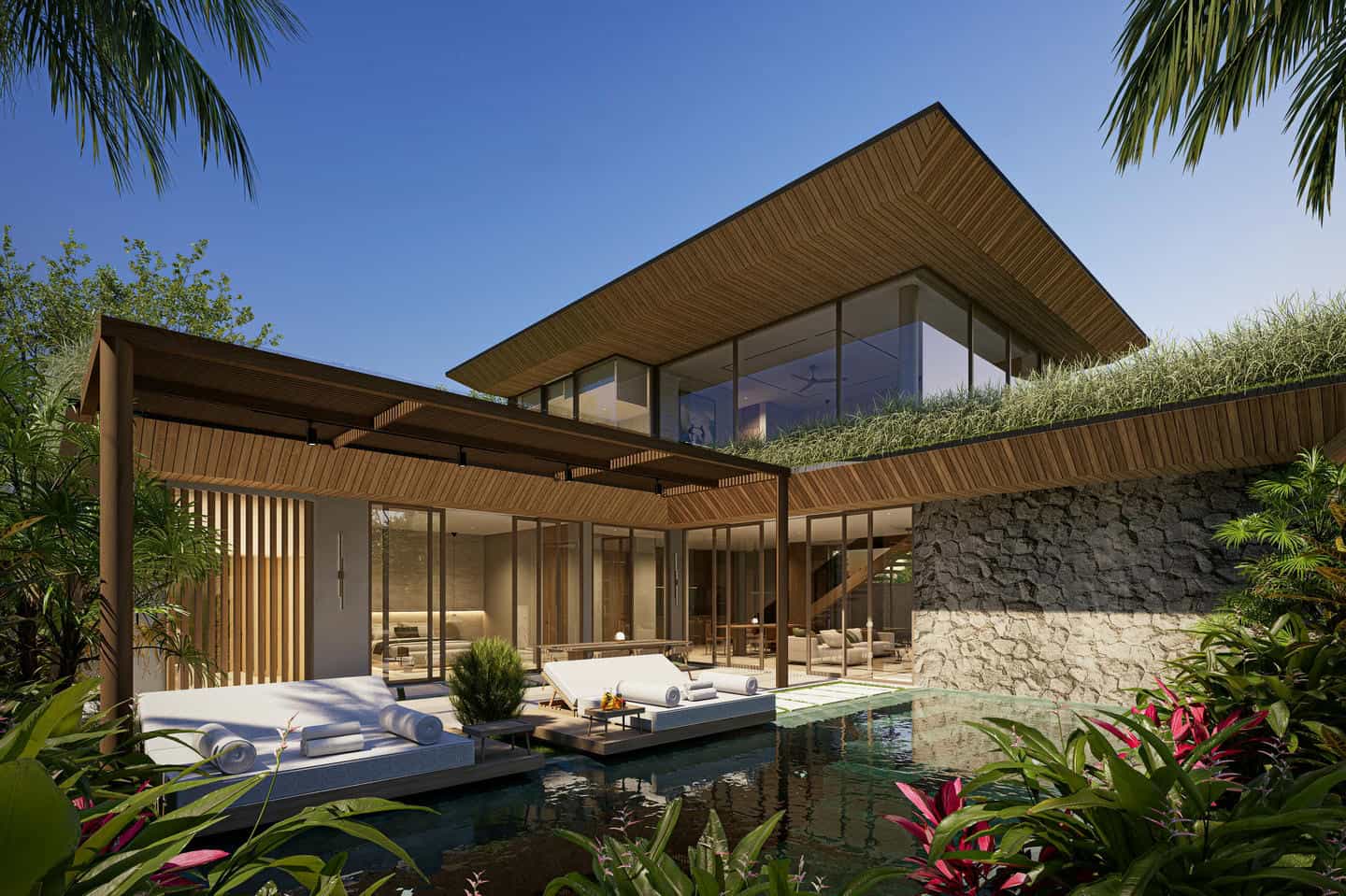
Properties in Uluwatu
About Uluwatu
Uluwatu is a coastal area situated on Bali’s Bukit Peninsula, recognized for its cliffs, beaches, and cultural landmark, the Uluwatu Temple. Historically known as a surfing destination, it has expanded into a broader tourism and investment hub attracting international visitors seeking luxury and privacy. The area’s geographic characteristics significantly influence its real estate market, particularly in terms of pricing and desirability.
There is no single master developer associated with Uluwatu, as the area consists of independent villa developments, boutique resorts, and privately owned properties. Development has accelerated in recent years, driven by increased demand and the saturation of more central areas like Canggu and Seminyak. Infrastructure improvements are ongoing, including road upgrades and expanding services.
The real estate market in Uluwatu is defined by variability. Ocean-view and cliffside properties command premium prices, while inland areas remain more accessible. Rental performance can be strong due to high nightly rates, although occupancy tends to be less consistent due to the area’s niche audience and seasonal demand patterns.
Uluwatu’s positioning as a high-end destination continues to strengthen. With growing tourism diversification—such as weddings, private events, and wellness travel—the demand for unique, design-focused villas is increasing. However, investment success depends heavily on property selection, location, and strategic planning.
Market Trends & Living Insights
Real Estate Market Trends & Prices
The Uluwatu market shows strong growth in demand and pricing. From September 2021 to August 2024, nights booked increased significantly from 8,155 to 83,719, indicating expanding tourism demand in South Bali. The Average Daily Rate (ADR) has also shown volatility, reaching as high as $409.18 in October 2023, reflecting a shift toward premium offerings.
On average, ADR reached around $175 per night, positioning Uluwatu competitively among Bali’s top regions. Larger villas generate higher income, with 6-bedroom villas earning up to $14,730.19 in Q3 2024, compared to $1,905.12 for 1-bedroom units. Mid-sized villas (3–4 bedrooms) show consistent revenue growth, making them a stable investment option.
Occupancy peaks during July and August, while the first quarter of the year typically sees lower booking levels. ROI potential is strong but depends on property positioning, as Uluwatu caters to a more segmented and seasonal market compared to areas like Canggu.
Popular Property Types & Layouts
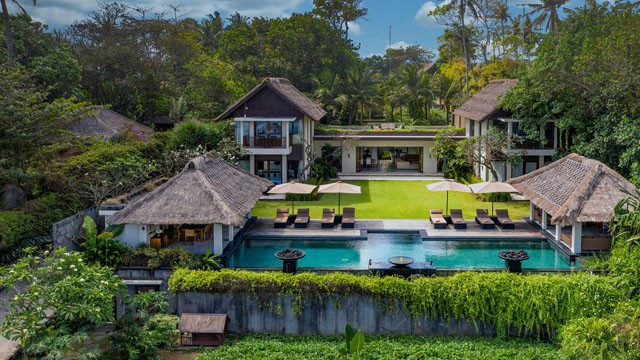
Uluwatu’s property market is dominated by villas, with a strong emphasis on design, views, and privacy.
Luxury villas (1 to 6 bedrooms)
Ocean-view and cliffside properties
Boutique resort-style accommodations
Architect-designed villas
Popular layouts include:
1-bedroom villas for couples and short stays
3-bedroom villas for mid-range rental demand
4–6 bedroom villas for high-end group stays and events
Larger villas tend to generate significantly higher revenue due to their appeal for group travel and luxury experiences.
Pros & Cons of Living in Uluwatu
Pros:
Premium destination with strong international reputation
High rental income potential from luxury travelers
Unique natural environment with ocean views and cliffs
Lower density and more privacy than central Bali
Growing tourism and lifestyle infrastructure
Cons:
Water supply challenges in some areas
Less developed infrastructure compared to central regions
Seasonal and niche rental demand
Some locations may feel isolated
Higher construction costs, especially on complex terrain
Transportation & Parking
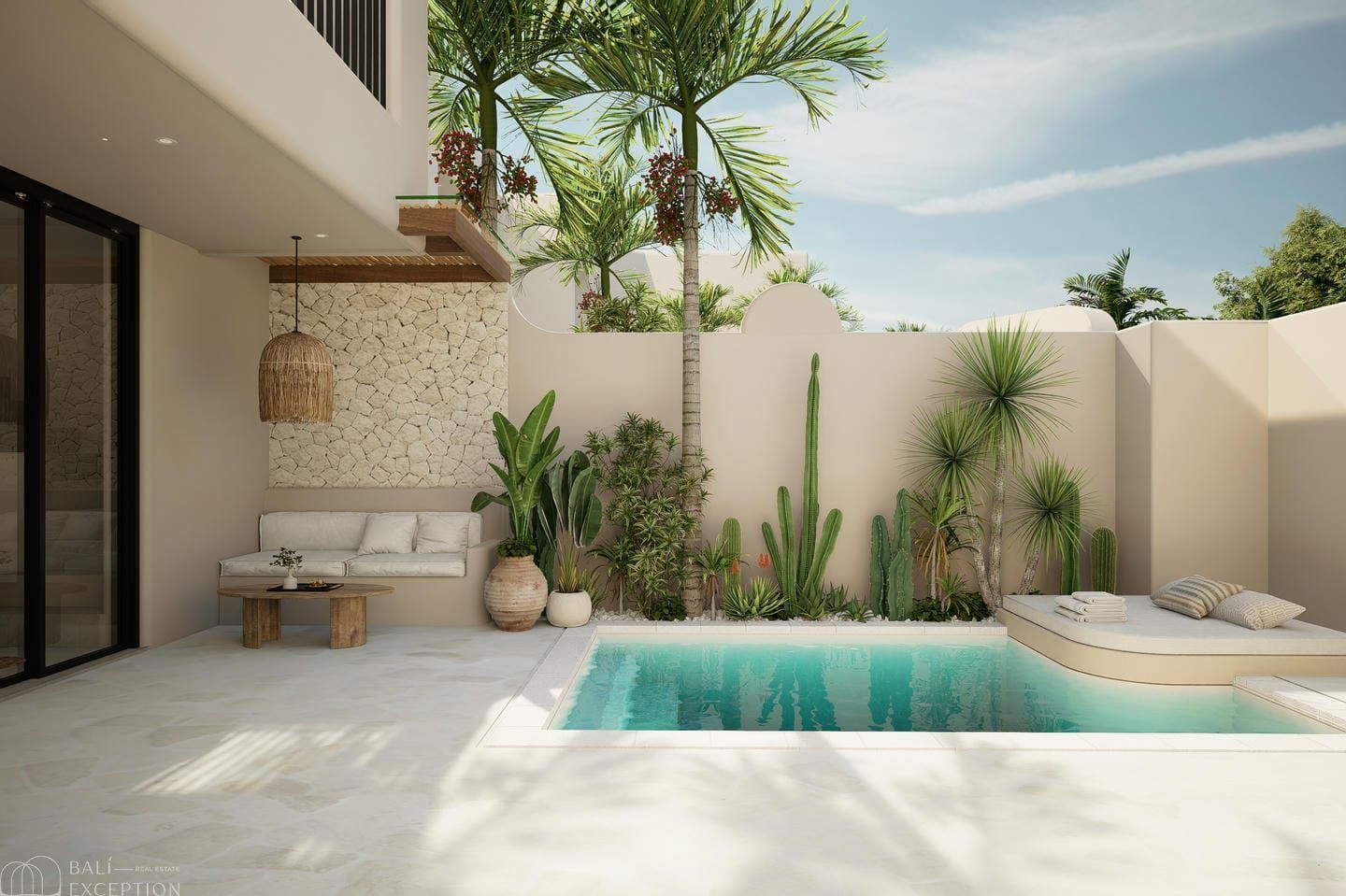
If you own a car, Uluwatu offers relatively straightforward mobility, especially with ongoing road improvements. However, due to its spread-out layout and lower density, private transportation is often necessary for convenience.
Public Transportation in Uluwatu
Public transportation options are limited, and most residents and visitors rely on private vehicles or ride-hailing services.
No metro system available
Limited public bus coverage
Main access via road networks across Bukit Peninsula
Ride-hailing services commonly used
Close proximity to Bali’s international airport
Road conditions vary depending on location
Amenities, Schools & Healthcare
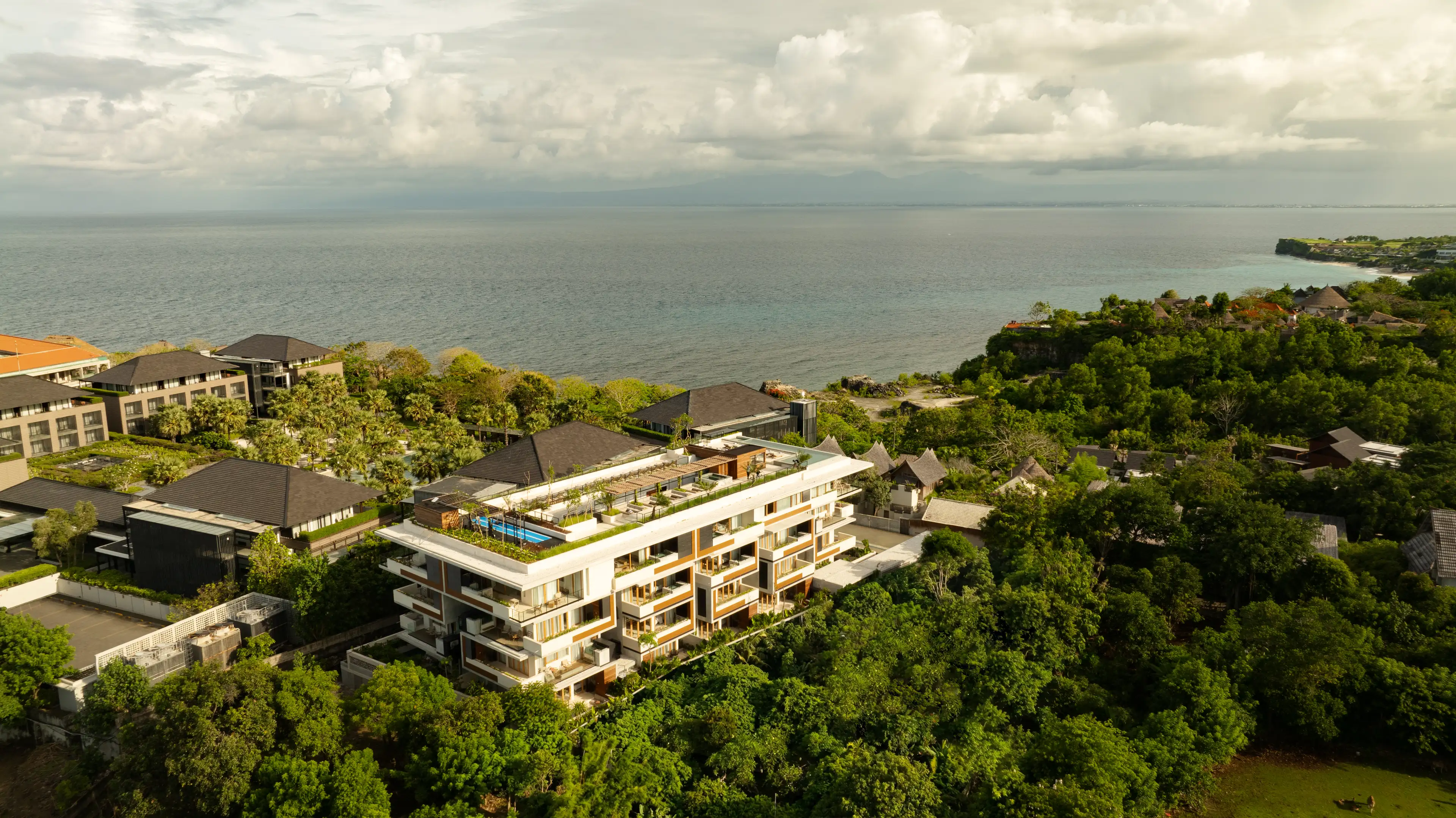
Supermarkets near Uluwatu
Uluwatu has a growing number of retail and convenience options, although choices are more limited compared to central Bali.
Local convenience stores
Small supermarkets
Specialty shops serving tourists
Expanding retail options due to tourism growth
Mosques, Temples, and Churches in Uluwatu
Mosques: Mosques are present within the wider Bali region, serving local communities, although they are not a defining feature of Uluwatu itself.
Temples: Uluwatu Temple is a major cultural and religious landmark, known for its cliffside location and significance in Balinese culture.
Churches: Churches are available in the broader Bali area, catering to international residents and visitors.
Clinics and Hospitals Near Uluwatu
Local clinics within the Bukit Peninsula
Private clinics catering to tourists
Expanding healthcare facilities due to tourism growth
Access to larger hospitals in other parts of Bali
Nearby Areas of
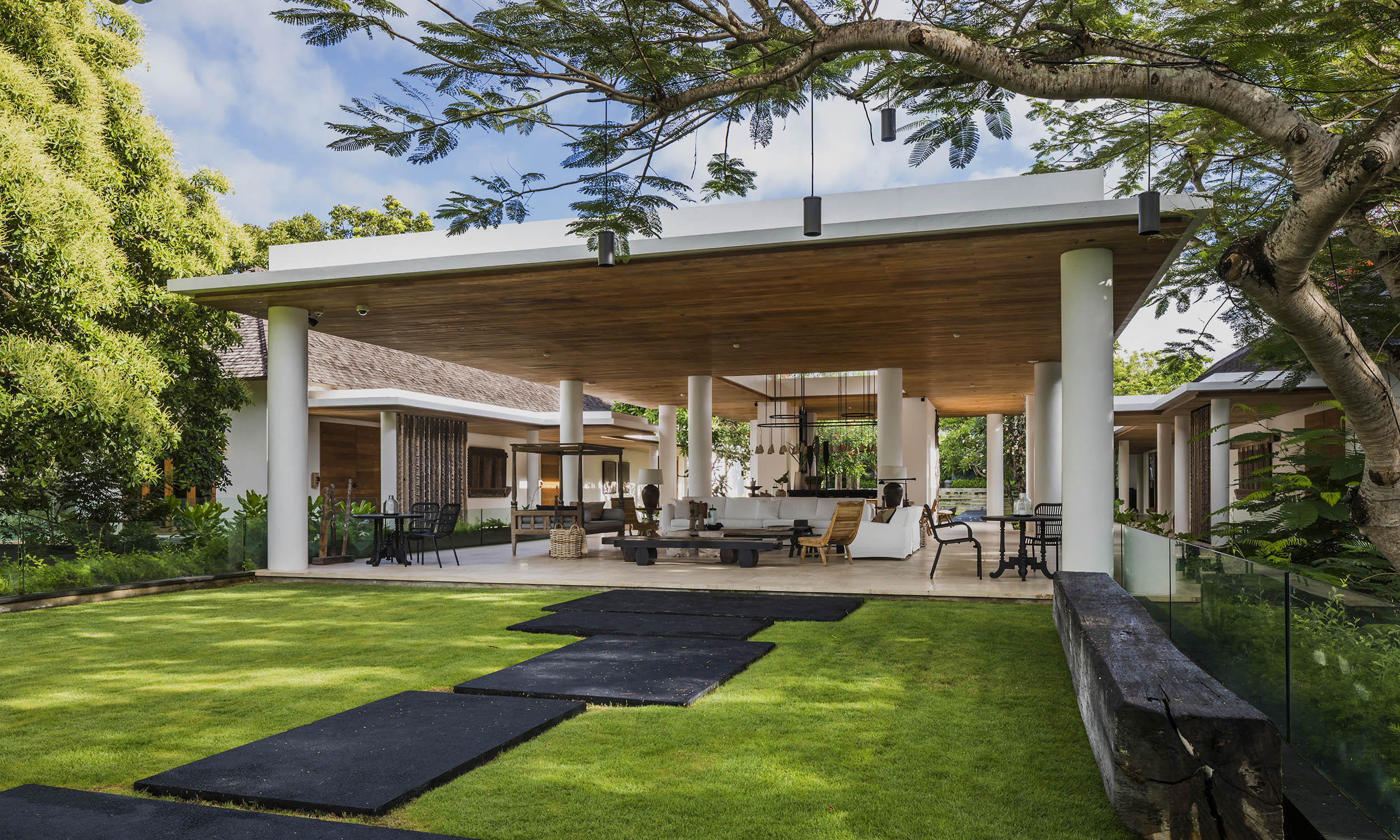
Uluwatu is located within the Bukit Peninsula, offering a quieter alternative to Bali’s more urbanized areas such as Canggu and Seminyak. These nearby locations are more developed and densely populated, often serving as commercial and lifestyle hubs. Uluwatu complements them by providing a more exclusive and nature-focused environment while still benefiting from relative proximity to Bali’s airport and southern development zones.
Lifestyle & Leisure in
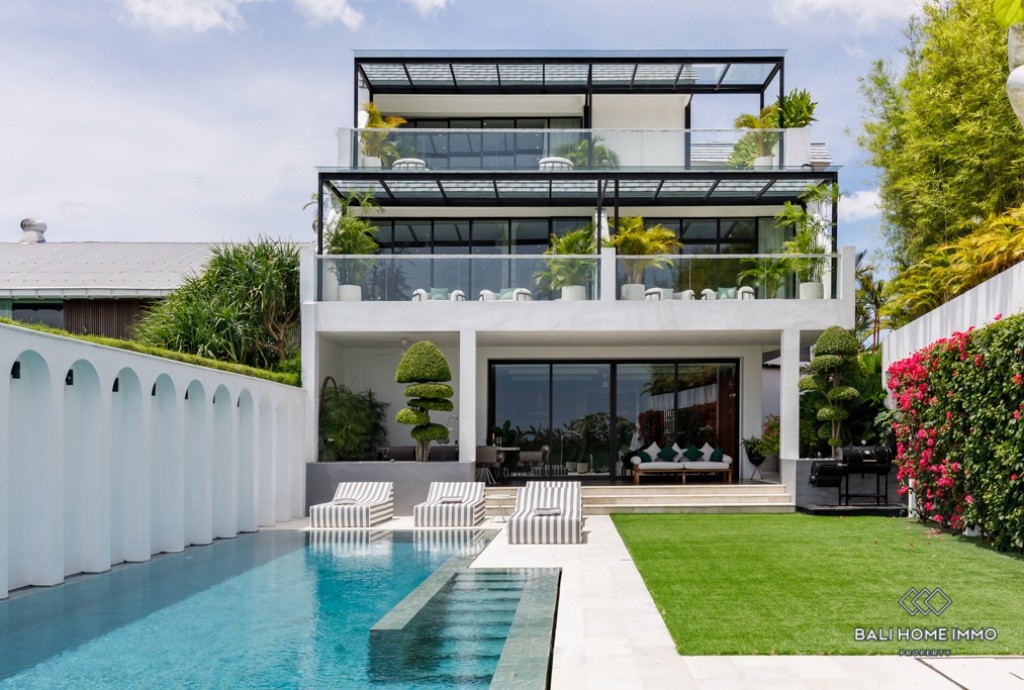
Uluwatu offers a lifestyle centered around nature, privacy, and high-end experiences. The area blends surf culture with luxury living, attracting both tourists and long-term residents.
Restaurants
Upscale restaurants emerging across the area
Boutique dining experiences
Other Nearby Dining Options
Beach clubs
Cafes and wellness-focused eateries
Beaches Near Uluwatu
Uluwatu Beach
Balangan Beach
Padang Padang Beach
Bingin Beach
Leisure & Landmarks
Uluwatu Temple
World-class surf spots
Scenic cliff viewpoints
Sunset viewing locations
Outdoor, Fitness & Beauty
Surfing activities
Yoga retreats
Wellness centers
Outdoor relaxation spaces
Community Events
Uluwatu hosts a variety of tourism-driven activities, including private events, destination weddings, and seasonal travel peaks. The area sees increased activity during the high tourist season, particularly in July and August.
Uluwatu Location
Uluwatu combines dramatic coastal scenery with practical access to Bali’s main transport and lifestyle hubs.
Frequently Asked Questions
What makes Uluwatu attractive for real estate investment?
Is rental income consistent throughout the year?
Which property types generate the most revenue?
Are there infrastructure challenges in the area?
How does it compare to areas like Canggu?
What should buyers consider before investing?

Other Communities
Take a look at the new off-plan developments across the UAE.