
Project Highlights
Brief Overview
Ubud is widely recognized as the cultural and spiritual center of Bali, offering a distinct real estate market driven by wellness tourism, natural landscapes, and a strong expatriate and digital nomad presence. Unlike coastal areas such as Seminyak or Canggu, Ubud focuses on tranquility, sustainability, and long-stay living. This positioning has contributed to stable property values and consistent rental demand across various property types, including villas, land, and boutique hospitality developments.
The market has evolved significantly, with increasing interest from international investors seeking long-term appreciation and rental income. Infrastructure improvements such as better internet connectivity and road access continue to support growth. Ubud’s appeal lies in its balance between cultural heritage and modern lifestyle demands, making it suitable for both residential living and income-generating investments.
Key features
Strong rental demand driven by tourism and long-stay residents
Stable property value growth over time
Popular with digital nomads and wellness-focused residents
Wide range of investment options: villas, land, commercial properties
Lower entry prices compared to other Bali hotspots
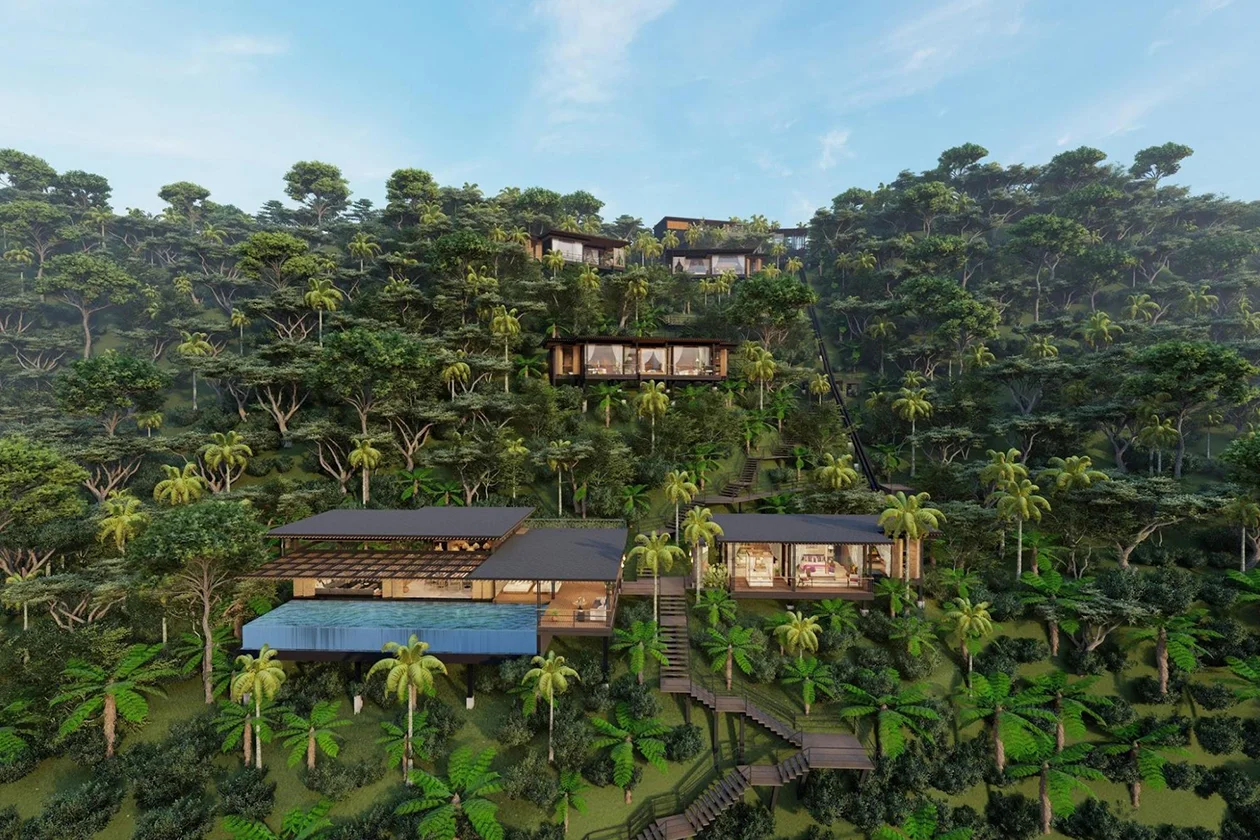
High demand for eco-friendly and retreat-style developments
Properties in Ubud, Bali
About Ubud
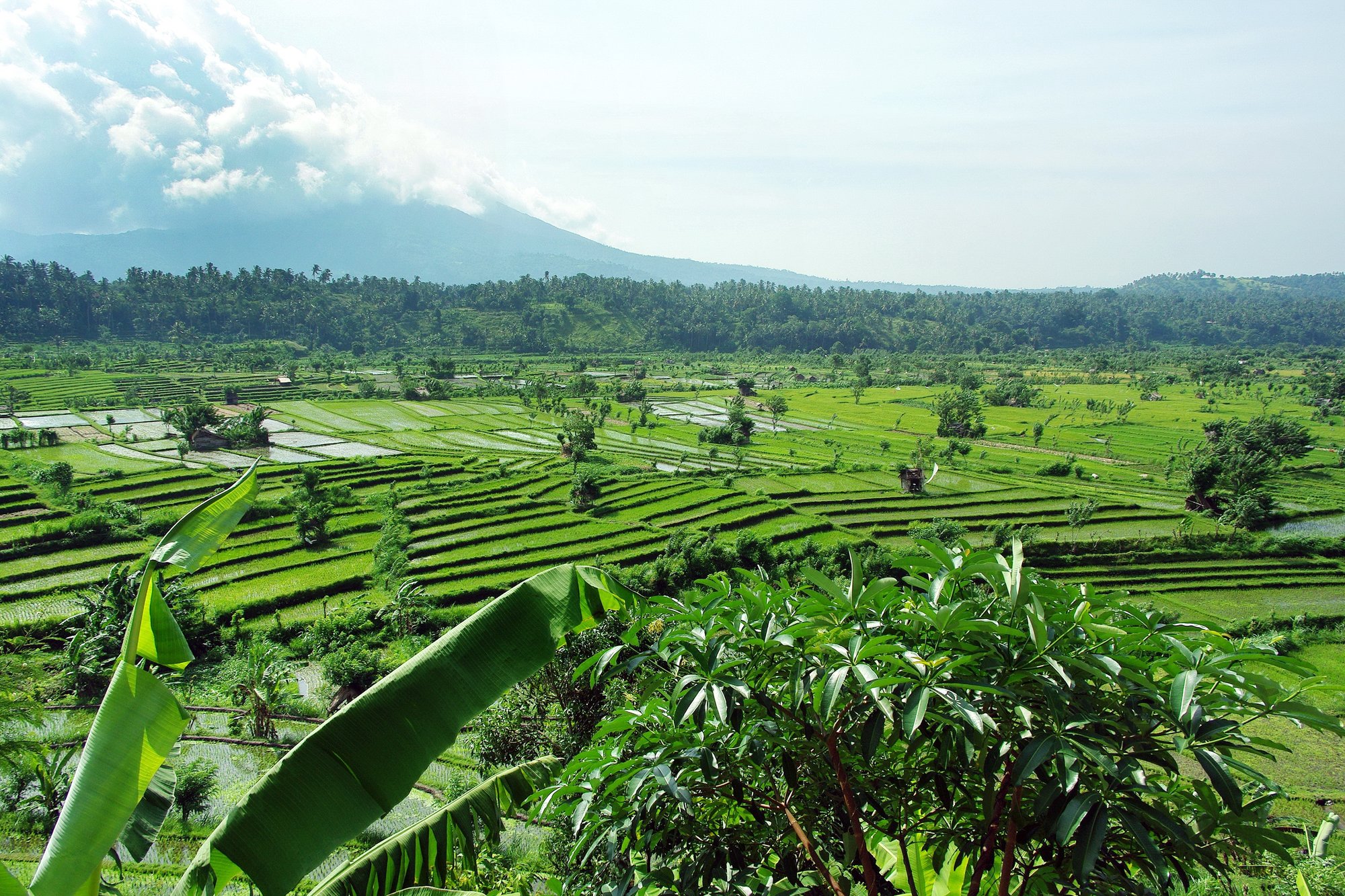
Ubud is a well-established real estate destination in Bali, known for its natural scenery, including rice terraces, rivers, and jungle landscapes. The area attracts a mix of tourists, expatriates, and long-term residents who value a quieter and more culturally immersive environment. This steady demand supports both short-term rental markets and long-term residential occupancy.
There is no single master developer associated with Ubud, as the area consists of independently developed villas, land plots, and small-scale projects. Properties are typically offered under leasehold arrangements, although some freehold land options are also available. Legal ownership structures often involve leasehold agreements or locally registered entities.
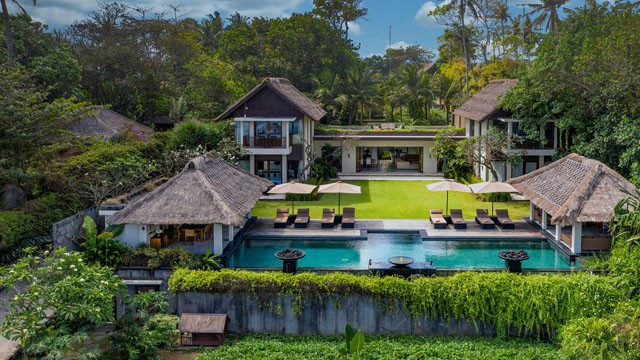
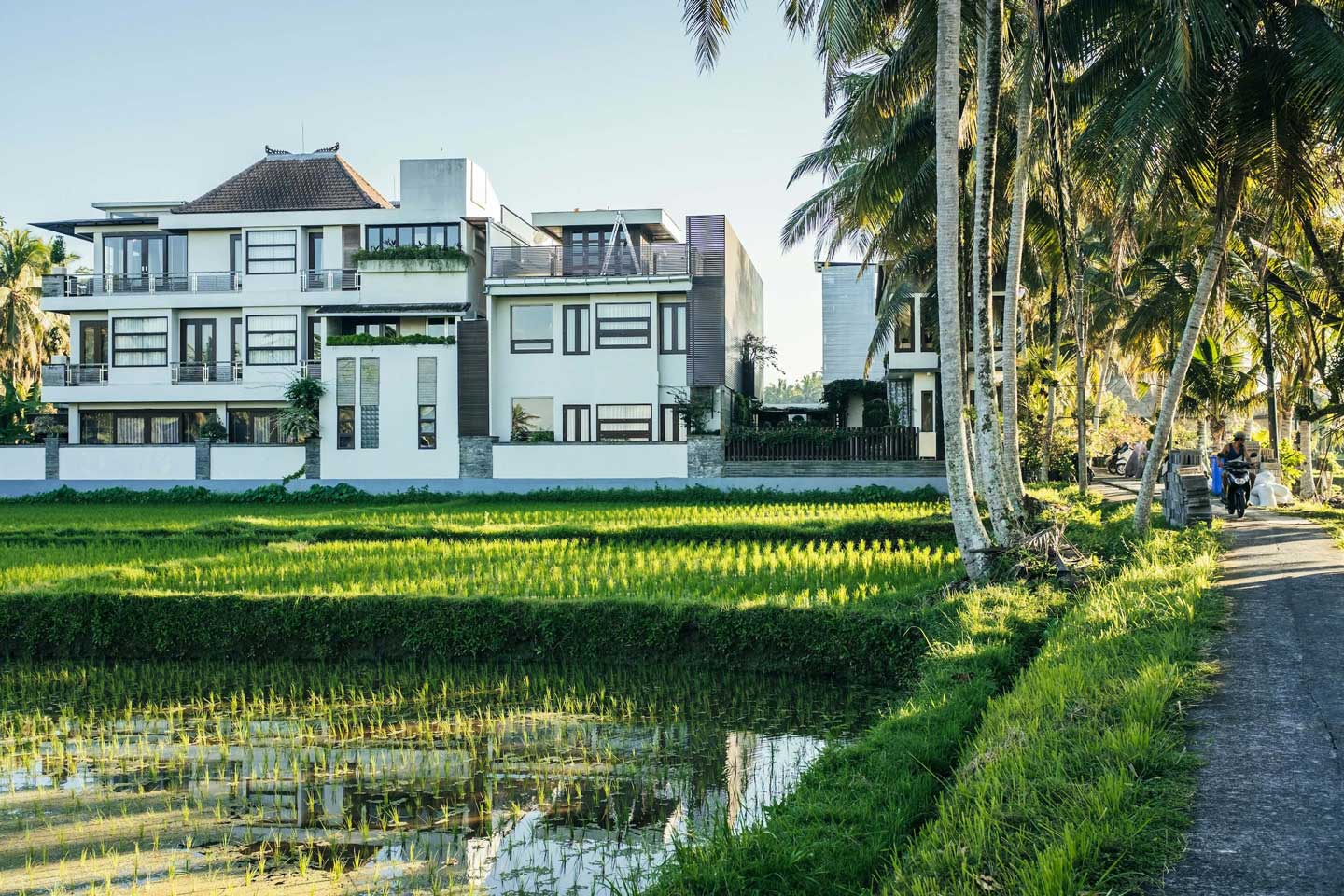
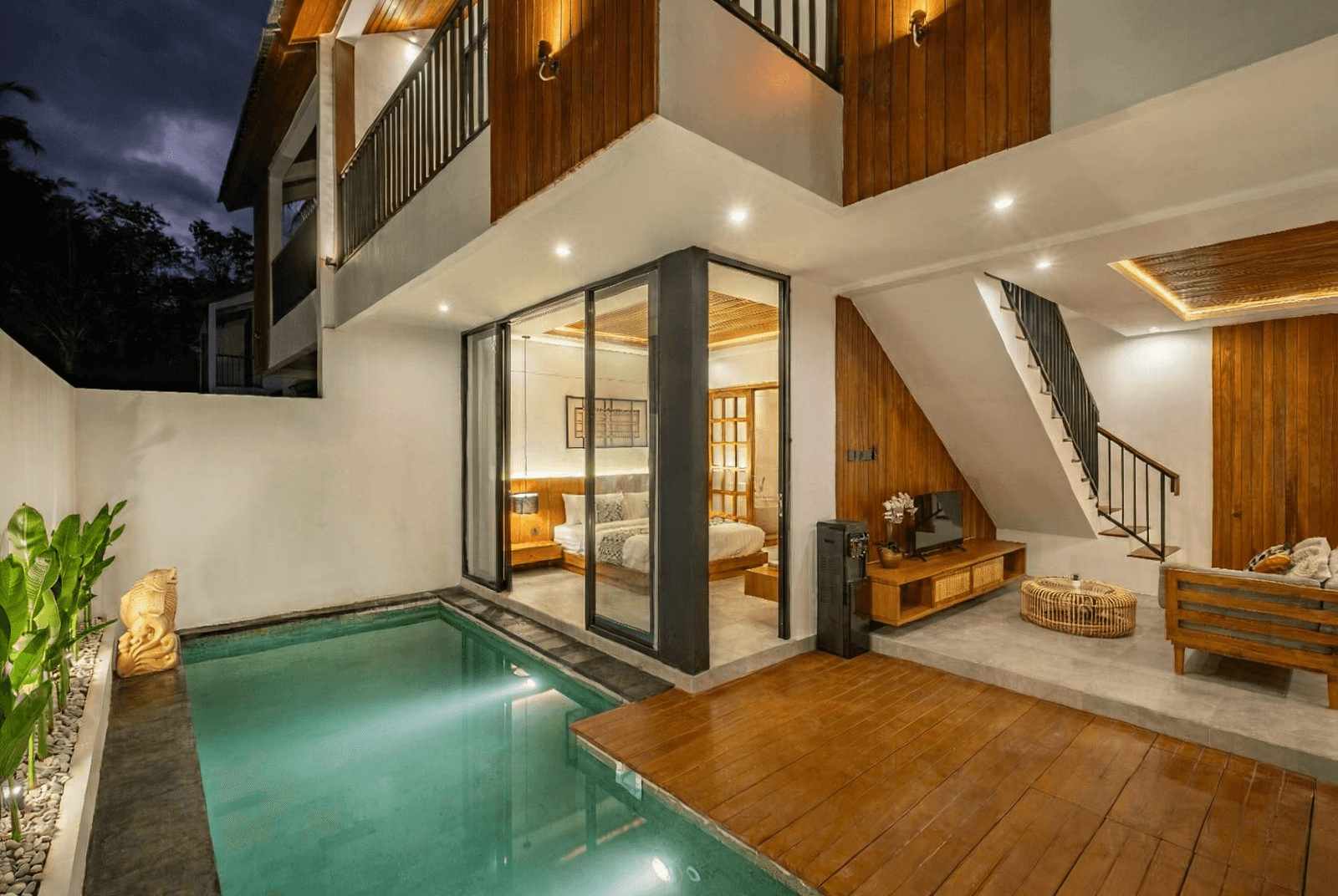
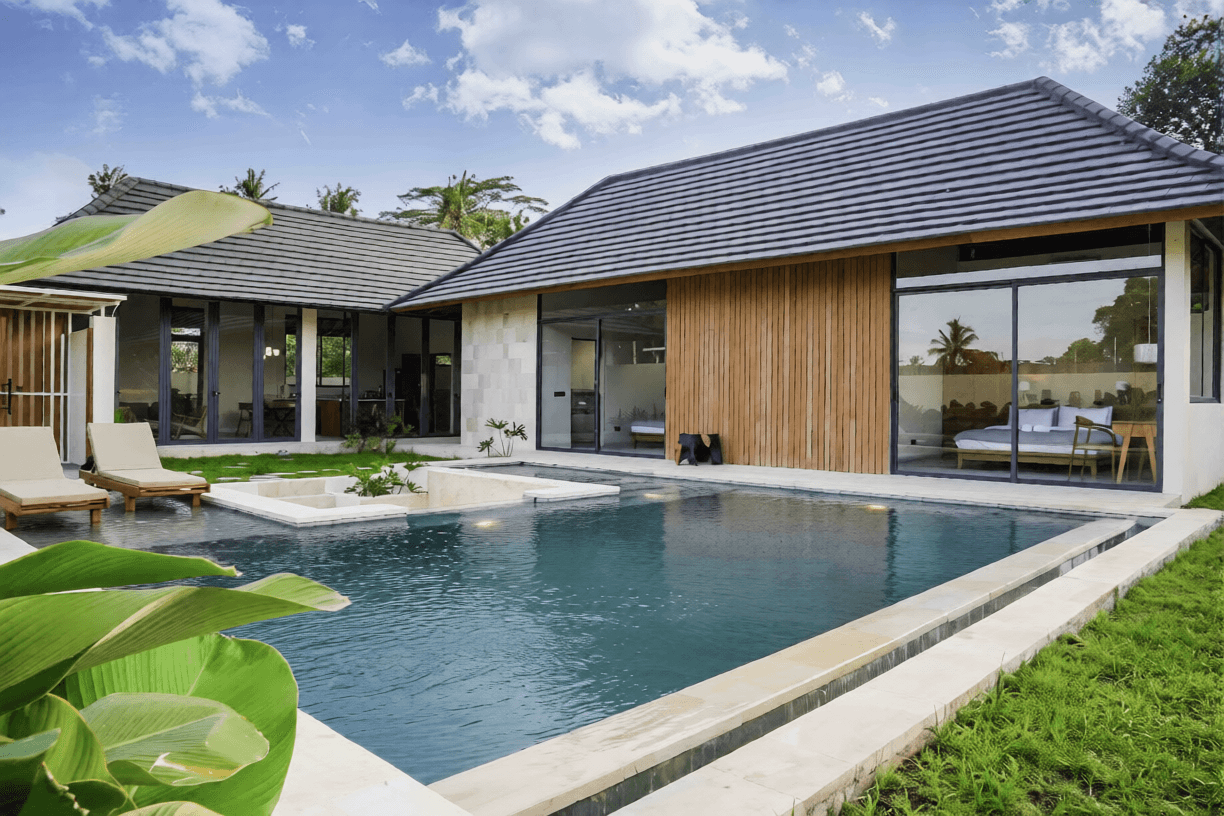
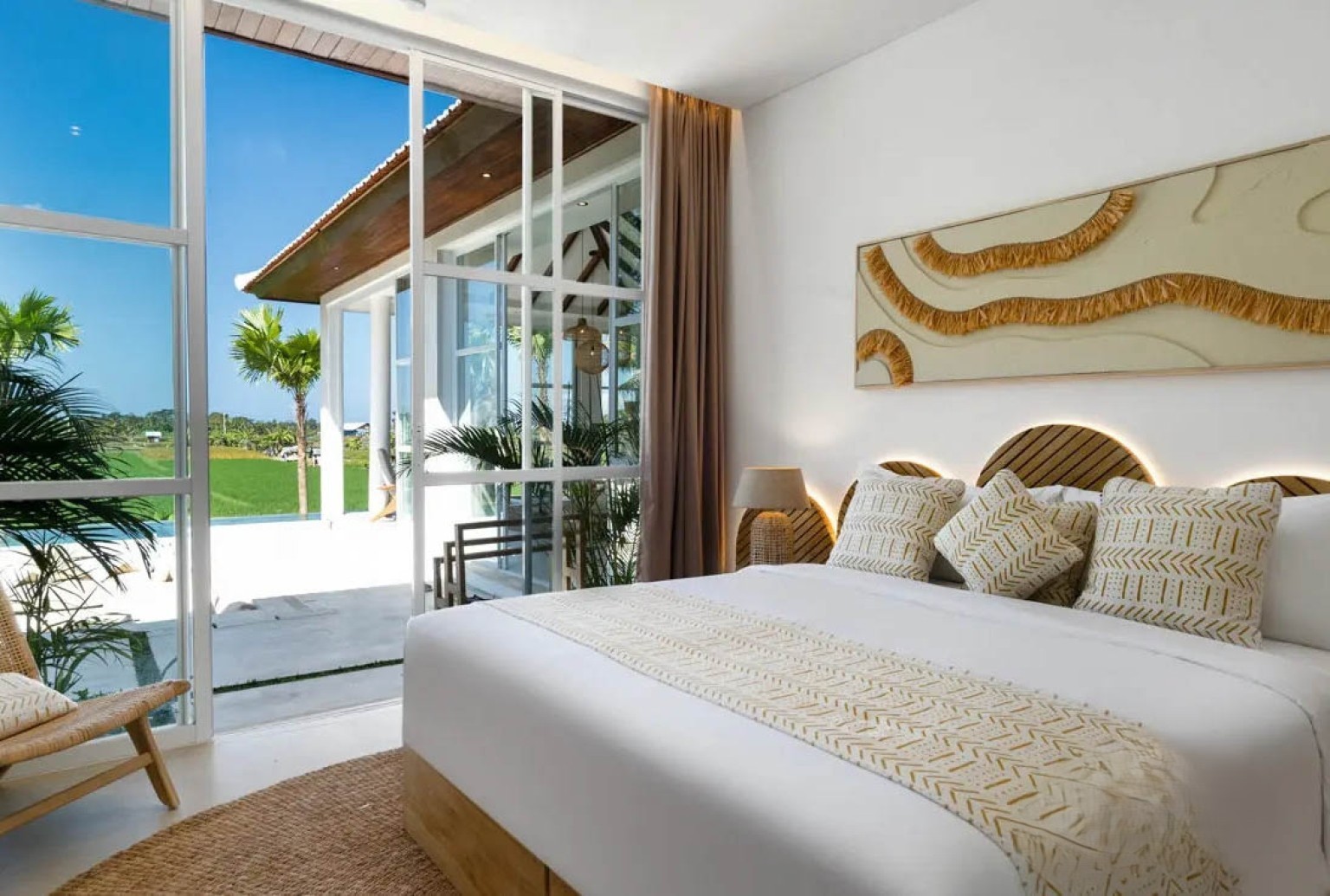
The property market includes a wide range of assets such as luxury villas, boutique resorts, and undeveloped land. Many villas feature private pools, gardens, and views of rice fields or jungle landscapes. Commercial properties like cafes, yoga studios, and wellness centers also perform well due to consistent tourist traffic.
Ubud continues to grow with improvements in infrastructure and increasing interest in sustainable and wellness-oriented developments. Its appeal is reinforced by cultural landmarks, art markets, and educational institutions, making it suitable for both investment and residential purposes.
Market Trends & Living Insights
Real Estate Market Trends & Prices
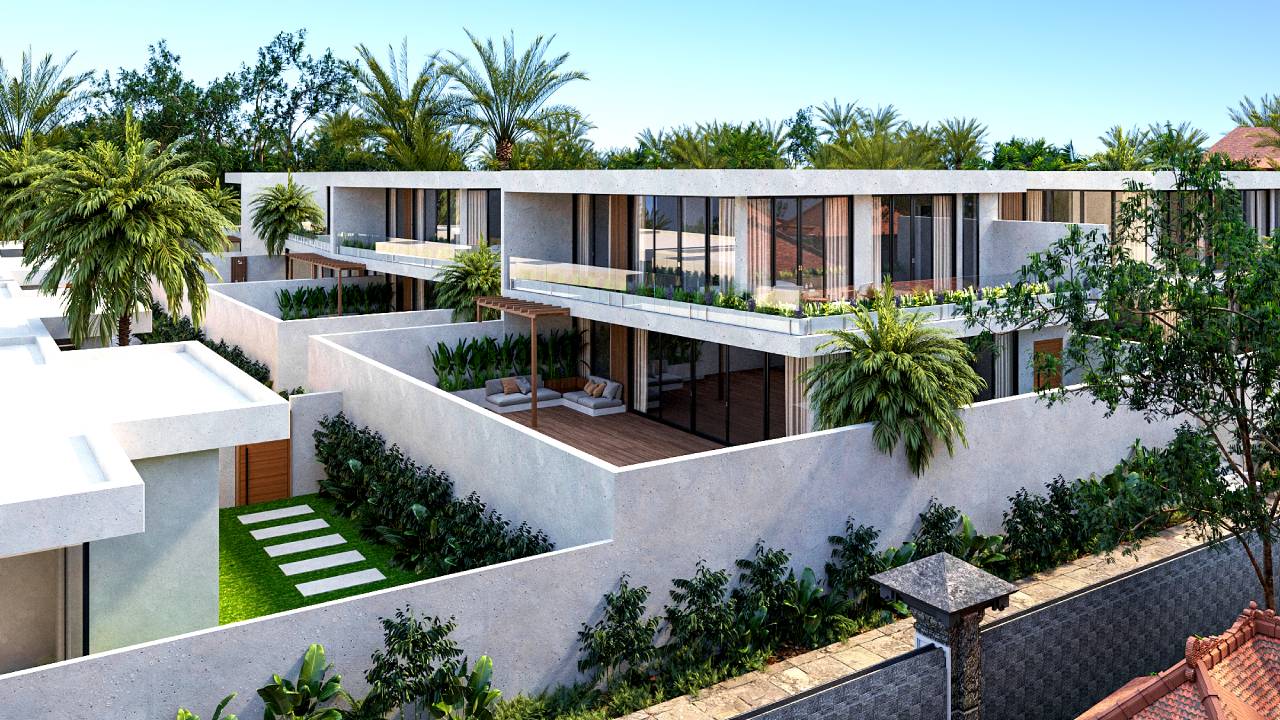
Ubud’s real estate market is characterized by steady growth and relative price stability. Property values tend to increase gradually rather than experiencing sharp fluctuations.
Villas: Approx. USD 219,000 to USD 1.6M+ depending on size and location
Land: Around USD 23,279 per are (example listing)
Rental villas: Around USD 35,000–75,000 yearly
Leasehold durations: Typically 22–28 years
The area offers strong rental yields due to high occupancy rates driven by tourism and long-stay visitors. Compared to coastal regions, Ubud provides more affordable entry points with solid long-term appreciation potential.
Popular Property Types & Layouts
Ubud offers diverse property options suitable for different investment strategies:
Villas:
1–3 bedroom villas for rental income
4+ bedroom luxury villas for private or premium rental use
Land plots:
Suitable for villa development, retreats, or eco-projects
Commercial properties:
Cafes, yoga studios, boutique hospitality
Common layouts include jungle-view villas, rice field-facing homes, and retreat-style compounds with larger land sizes.
Pros & Cons of Living in Ubud
Pros:
Peaceful environment with natural surroundings
Strong rental demand year-round
Lower property prices compared to coastal Bali
Popular with digital nomads and wellness communities
Cultural richness and artistic atmosphere
Cons:
Less nightlife compared to coastal areas
Infrastructure still developing in some zones
Legal ownership requires careful structuring for foreigners
Transportation & Parking
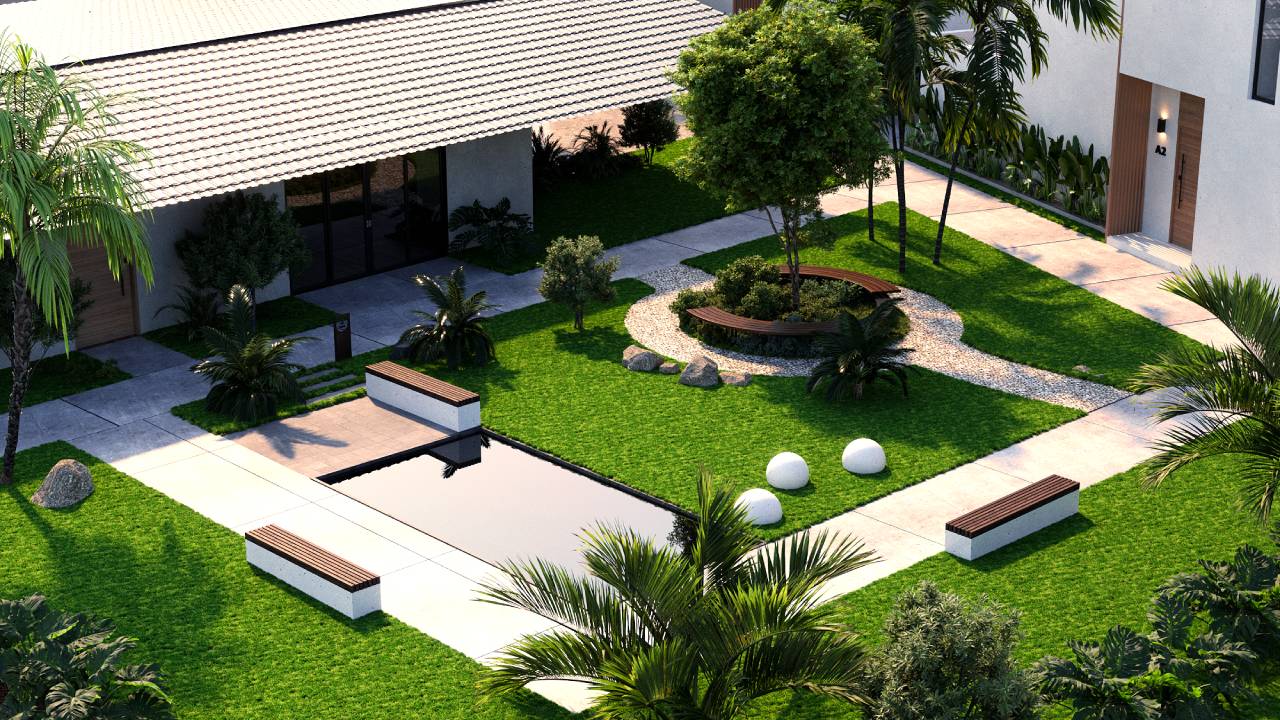
If you own a car, Ubud offers reasonable accessibility to nearby regions, though traffic can increase during peak tourist seasons.
Public Transportation in Ubud
Public transport options are limited compared to major cities, but alternative mobility solutions are available.
No metro system available
Limited public bus services
Main access roads connect to Denpasar and surrounding villages
Private drivers and taxis commonly used
Scooter rentals widely available
Ride-hailing services operate in the area
Amenities, Schools & Healthcare
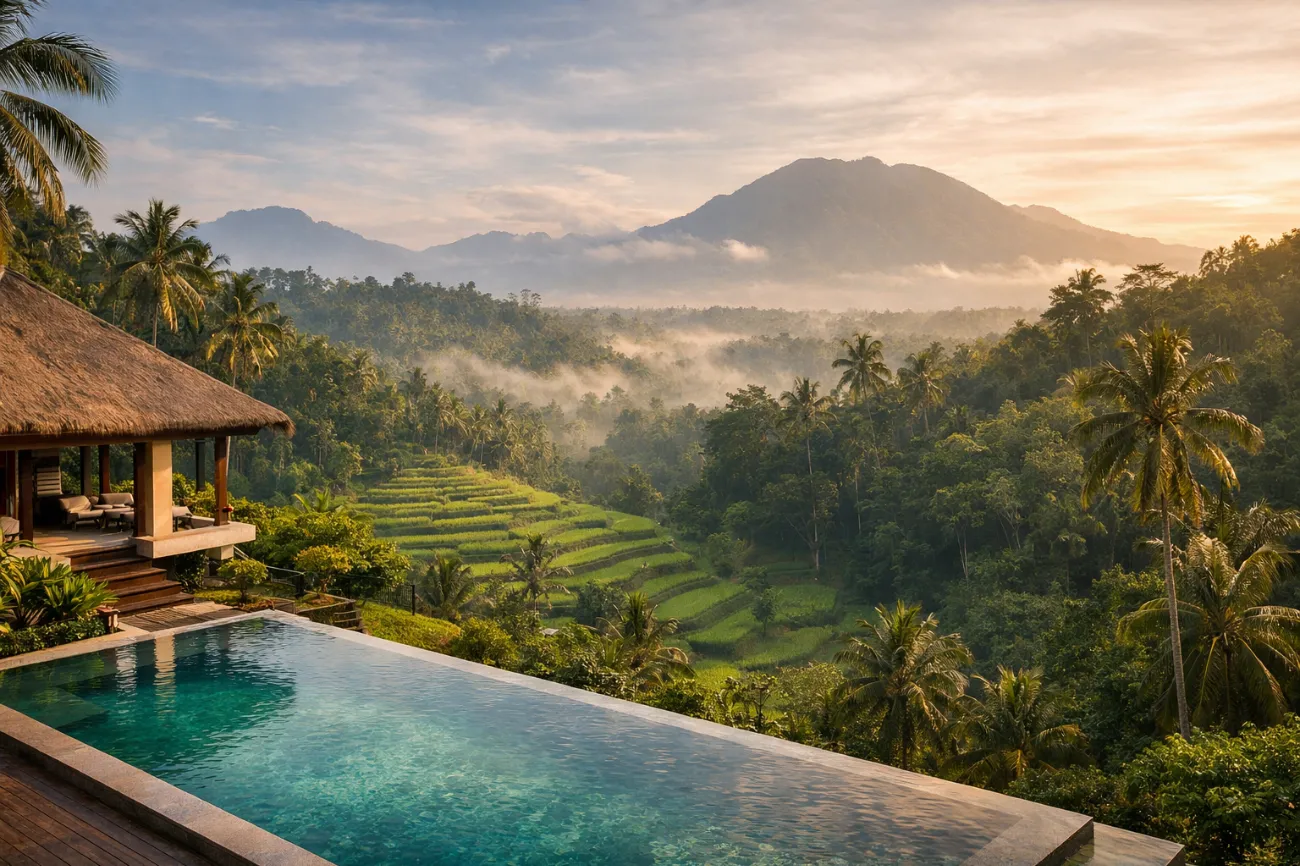
Ubud has a variety of grocery stores catering to both locals and expatriates.
Local markets in Central Ubud
Small convenience stores across villages
Specialty organic shops in expat areas
Retail outlets near main roads
Mosques, Temples, and Churches in Ubud
Mosques: Mosques are available in and around Ubud, serving local Muslim communities and visitors.
Temples: Ubud is home to numerous traditional Balinese temples, forming a central part of daily life and cultural activities.
Churches: Churches are present in nearby areas, catering to Christian residents and visitors.
Nurseries and Schools in Ubud
Nurseries:
Local early learning centers in Ubud villages
Community-based childcare options
Schools:
Green School (well-known alternative education institution)
Local and international schools in surrounding areas
Clinics and Hospitals Near Ubud
Local clinics in Central Ubud
Private medical centers in surrounding areas
Healthcare facilities accessible in Denpasar
Small medical practices within village areas
Nearby Areas of
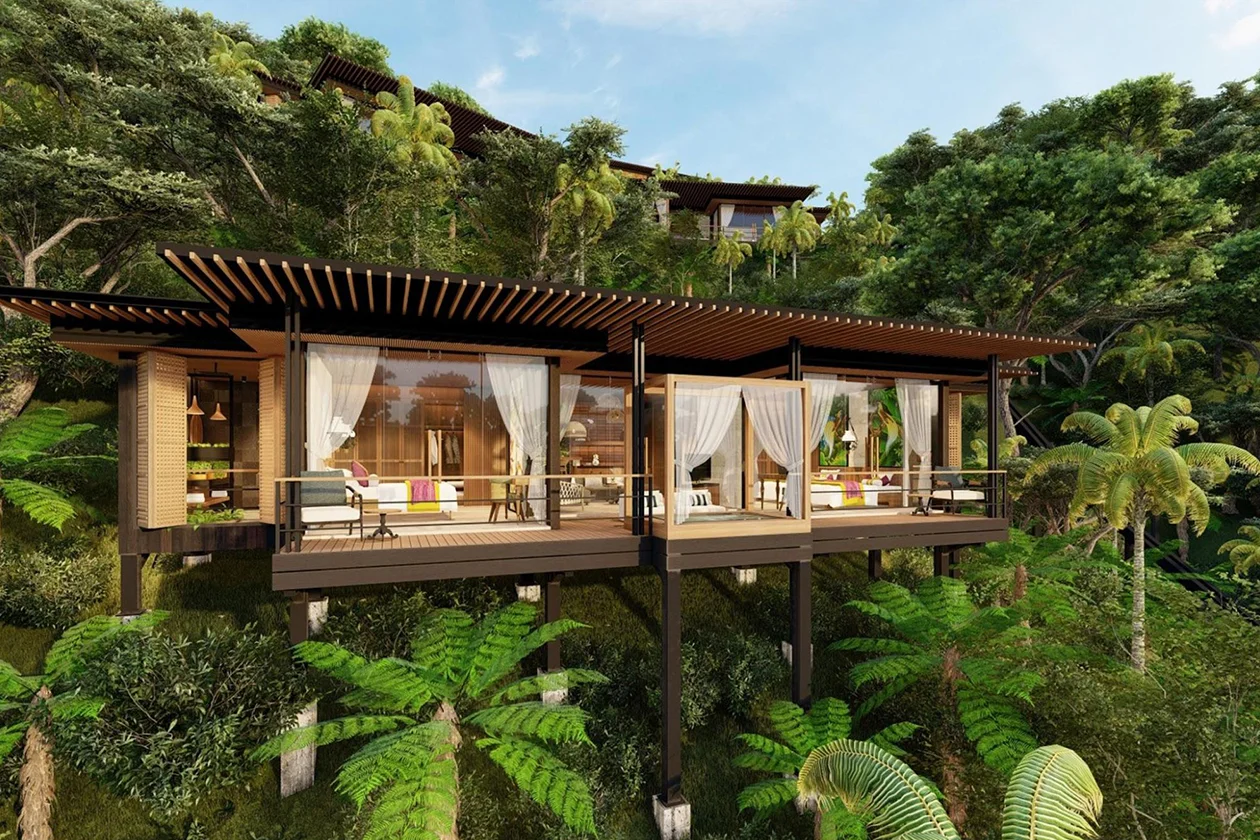
Ubud is surrounded by several key areas that contribute to its real estate appeal. Sayan and Kedewatan are known for luxury villas and river views, while Penestanan attracts digital nomads and long-stay residents. Tegallalang offers scenic land and development opportunities, and Mas and Lodtunduh provide strategic access between central and southern Ubud. Pejeng is popular for family living and quiet residential environments
Lifestyle & Leisure in
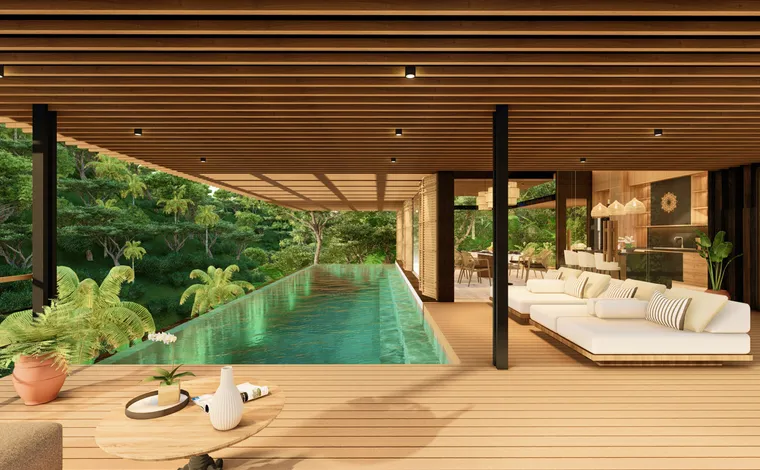
Restaurants
Ubud features a wide range of restaurants, from local eateries to fine dining establishments.
Restaurants in Central Ubud
Dining venues near rice fields and jungle areas
Boutique dining experiences in resorts
Other Nearby Dining Options
Cafes popular with digital nomads
Wellness-focused dining spots
Organic and plant-based eateries
Leisure & Landmarks
Sacred Monkey Forest
Rice terraces (UNESCO-recognized landscapes)
Art markets and galleries
Nearby waterfalls
Outdoor, Fitness & Beauty
Yoga studios
Wellness retreats
Nature walking trails
Fitness and holistic health centers
Community Events
Ubud hosts cultural performances, art exhibitions, and traditional ceremonies throughout the year. Seasonal festivals and wellness retreats also attract international visitors and long-term participants.
Ubud, Bali Location
Ubud is a cultural town in central Bali, Indonesia, set among lush jungles, terraced rice paddies, and traditional Balinese villages.
Frequently Asked Questions
Why is Ubud considered a good place for property investment?
What types of properties are available in Ubud?
Is rental income strong in Ubud?
Can foreigners invest in Ubud real estate?
Which areas in Ubud are best for investment?
What drives long-term growth in Ubud’s property market?

Other Communities
Take a look at the new off-plan developments across the UAE.