
Project Highlights
Brief Overview
Seminyak is a mature coastal district in South Bali known for its luxury tourism market, established infrastructure, and consistent rental demand. Positioned between Kuta and Canggu, it has developed into one of Bali’s most reliable real estate investment areas. The location attracts high-spending tourists, including couples, families, and business travelers, supporting premium nightly rates and stable occupancy throughout the year.
Unlike emerging areas that fluctuate with trends, Seminyak maintains predictable performance due to its walkability, beach access, and dense concentration of lifestyle amenities. Its long-standing reputation ensures strong rental demand for both short-term holiday stays and longer-term rentals, making it suitable for investors focused on stability rather than speculation.
Key features
Premium tourist destination with high daily spending ($180–250/day)
Strong occupancy rates (68–75% annually)
High average daily rates ($220–$280 for 2BR villas)
Mature infrastructure with restaurants, retail, and healthcare
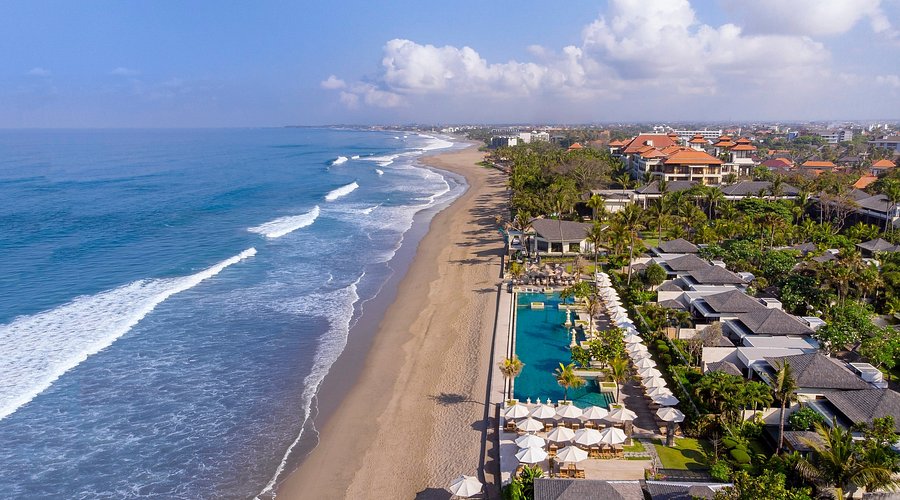
Walkable environment with easy beach access
Stable long-term appreciation (4–7% annually)
Balanced demand from leisure and corporate segments
Properties in Seminyak
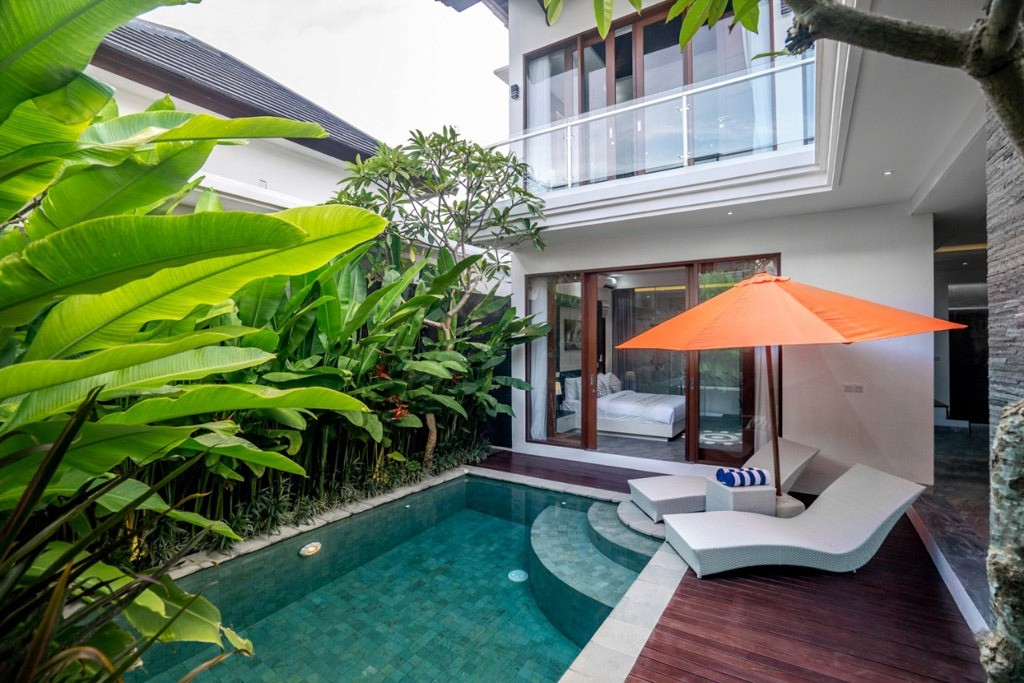
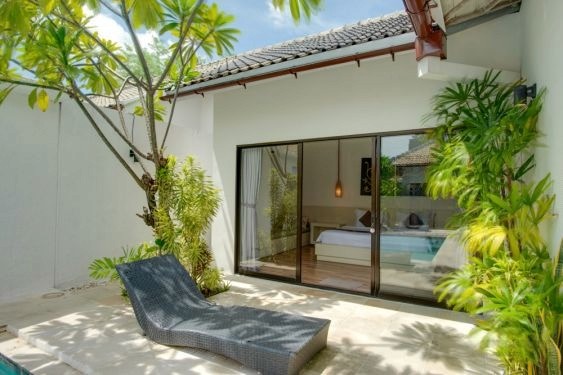
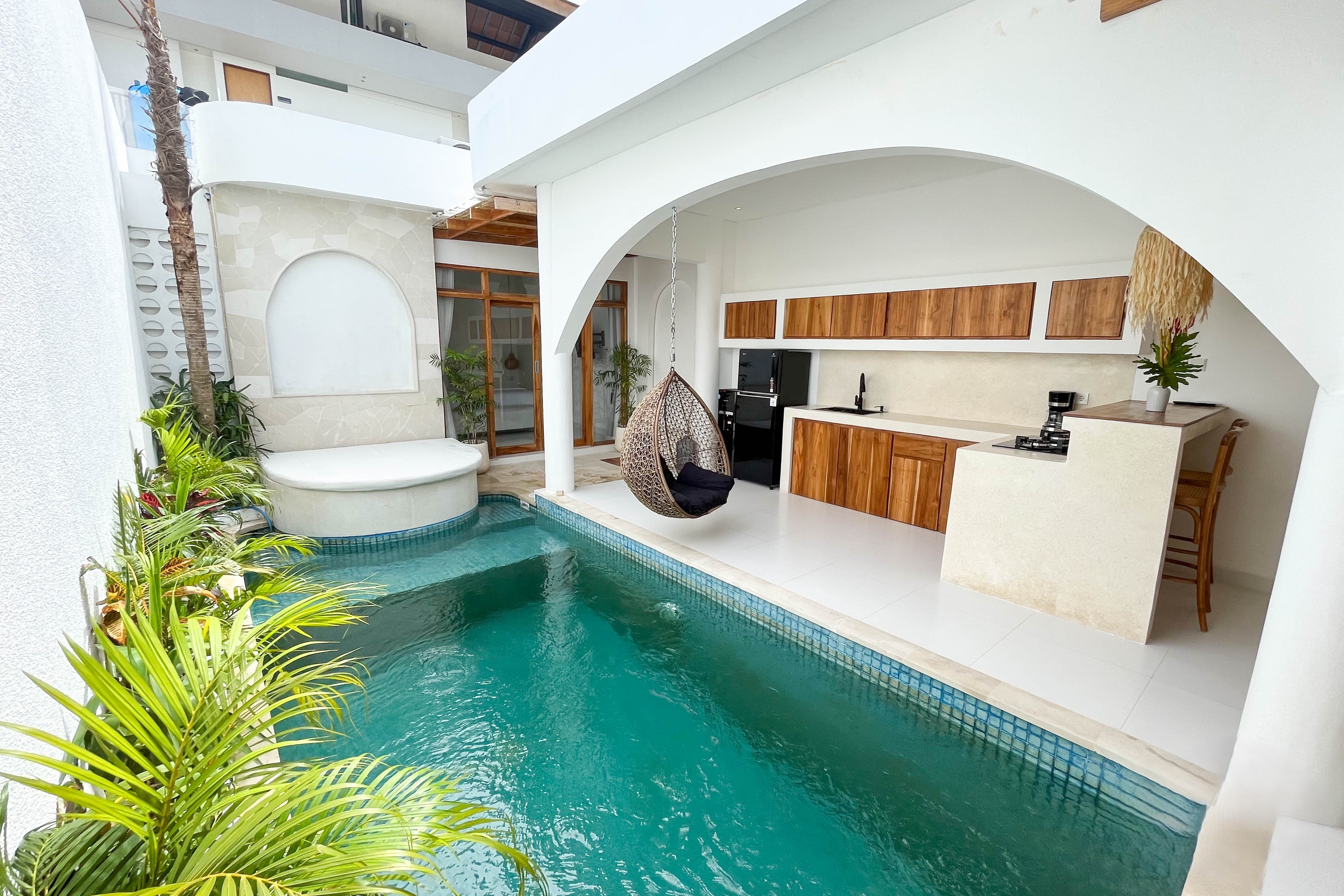
About Seminyak
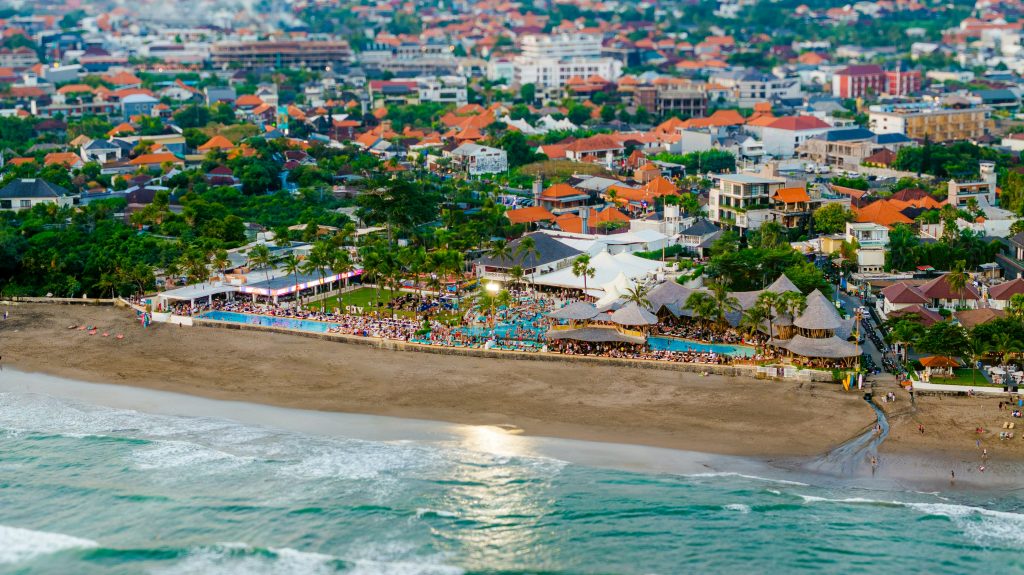
Seminyak is a well-established coastal neighborhood in Bali that has served as a central tourism and lifestyle hub for over 15 years. It is not a single development but a fully developed district with several sub-areas such as Oberoi, Petitenget, Double Six, and Drupadi, each offering different investment opportunities and price ranges.
There is no single developer behind Seminyak, as it consists of individually owned villas, boutique developments, and small residential projects. Most properties are offered on a leasehold basis (typically 25–30 years), which is the standard ownership model for foreign investors in Bali.
The area is known for its high concentration of luxury villas, boutique accommodations, and lifestyle venues. With more than 200 restaurants, numerous beach clubs, and established retail centers, Seminyak offers a level of infrastructure that newer areas do not yet match. This maturity reduces operational risk and supports consistent rental performance.
From an investment perspective, Seminyak is considered a stable market. While entry prices are higher than in emerging areas, the trade-off is lower volatility, predictable income, and steady long-term capital appreciation.
Market Trends & Living Insights
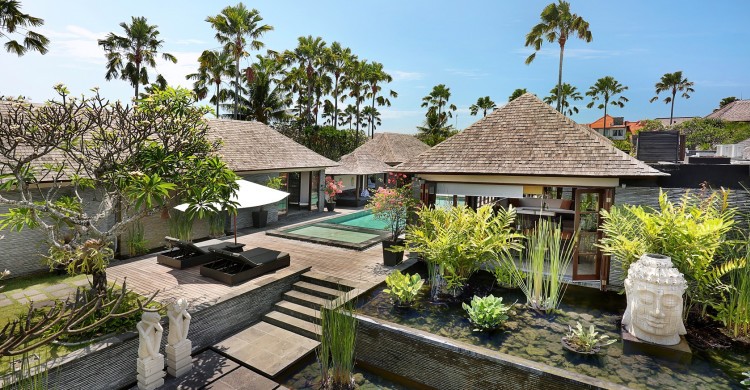
Real Estate Market Trends & Prices
Seminyak continues to show stable real estate performance in 2026, driven by strong tourism demand and limited land availability.
Average 2-bedroom villa price: $380,000 – $650,000
Average daily rental rate: $220 – $280
Occupancy rate: 68% – 75%
Annual rental revenue: $38,000 – $48,000
Net ROI: 4% – 5% (rental), 9% – 11% including appreciation
Larger villas generate higher income:
3-bedroom: up to $5,500/month
4-bedroom: $8,200+/month
6-bedroom: $21,400+/quarter
Compared to other Bali areas:
Canggu: higher occupancy but lower rates
Uluwatu: higher rates but more seasonal demand
Ubud: steady demand but lower pricing
Seminyak stands out by combining strong rates with consistent occupancy.
Popular Property Types & Layouts
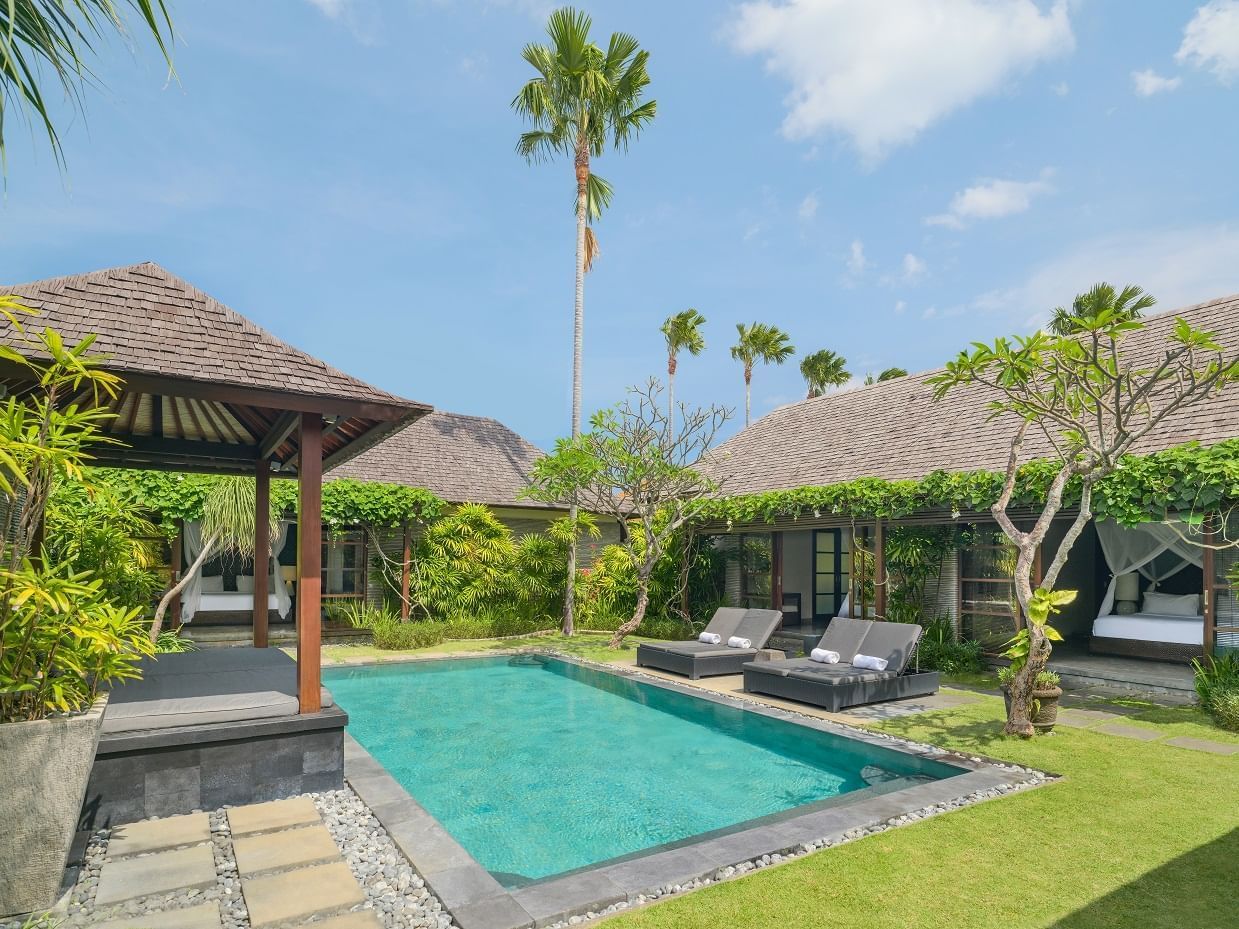
Seminyak’s market is dominated by villas designed for short-term rentals.
Common property types:
Private villas
Boutique villa complexes
Land plots for development
Popular layouts:
1-bedroom villas: entry-level investment ($280,000+)
2-bedroom villas: most in demand
3-bedroom villas: popular with families and groups
4–6 bedroom villas: premium segment with higher revenue
Typical villa sizes:
Land: 200–350 sqm
Building: 120–180 sqm (2-bedroom villas)
Pros & Cons of Living in Seminyak
Pros:
Strong year-round rental demand
High-spending tourist demographic
Walkable lifestyle with many amenities
Established infrastructure
Stable and predictable investment performance
Cons:
Traffic congestion, especially during peak hours
Higher property prices
Limited land availability
Moderate appreciation compared to emerging areas
Busy and crowded environment
Transportation & Parking
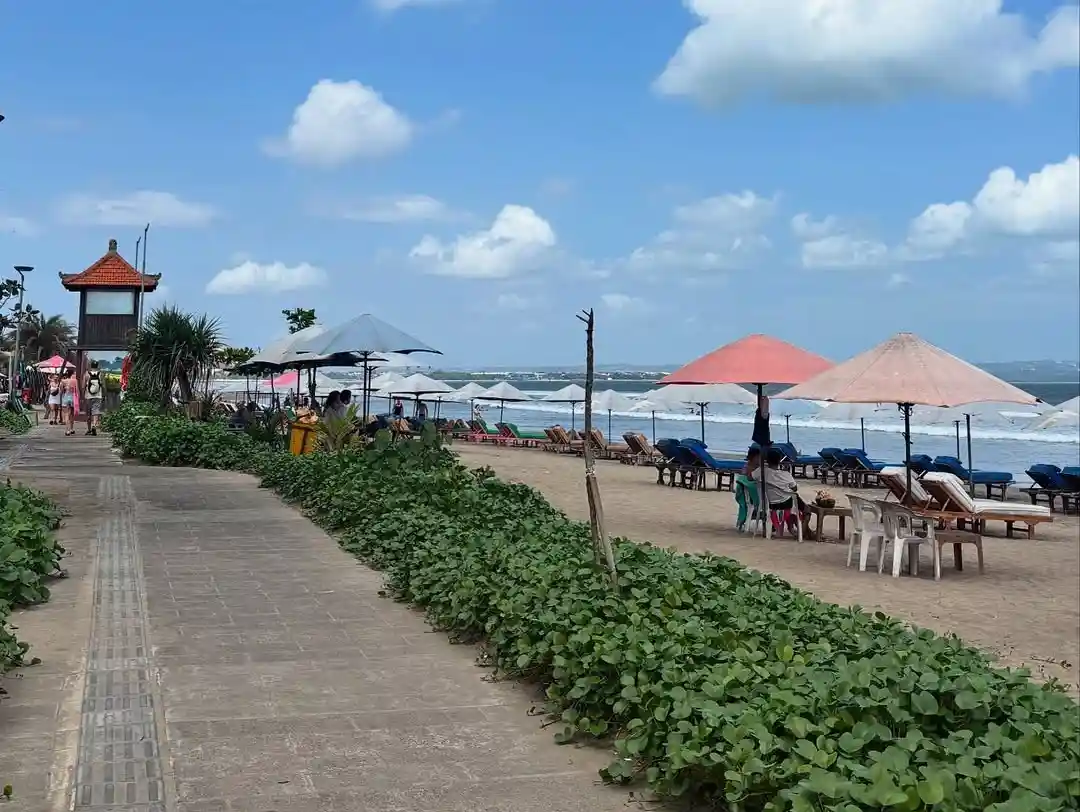
If you own a car in Seminyak, expect traffic congestion during peak hours, particularly in the evening and high season. Short distances can take longer due to narrow roads and heavy activity.
Public Transportation in Seminyak
Seminyak does not have a metro system, but several transport options are available:
No metro or rail network
Local bus services operate in wider Bali
Main roads: Jalan Kayu Aya, Jalan Petitenget, Sunset Road
Ride-hailing apps such as Gojek and Grab
Scooter rentals are widely used
Taxi services available throughout the area
Parking is limited in central zones, especially near restaurants and beach clubs.
Amenities, Schools & Healthcare
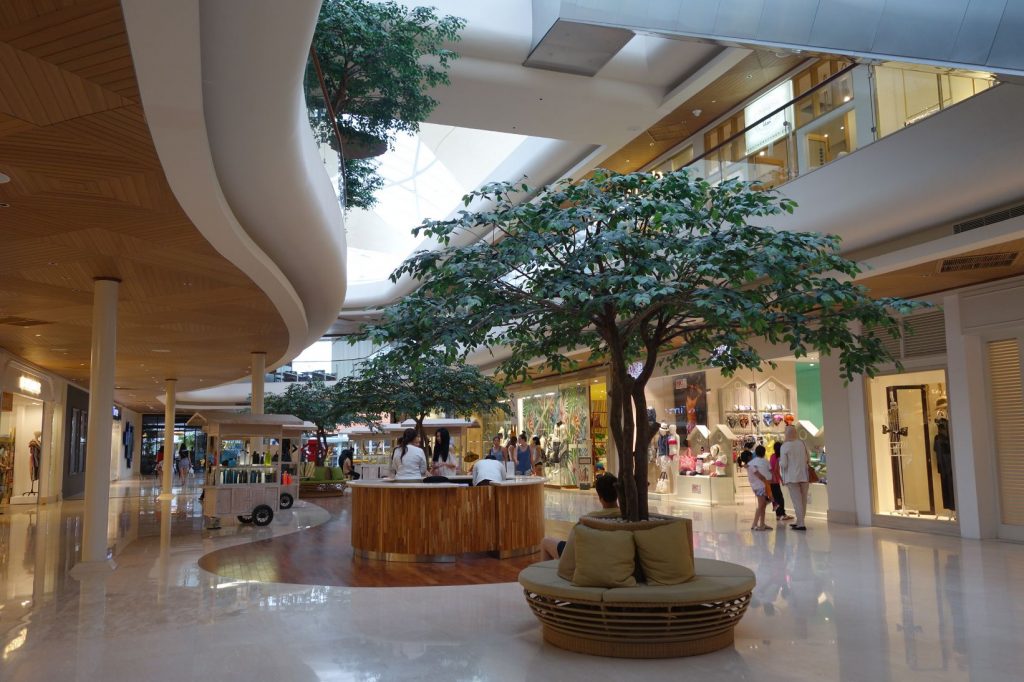
Supermarkets near Seminyak
Seminyak offers several supermarkets catering to both residents and tourists.
Bintang Supermarket – central Seminyak
Pepito Market – multiple nearby locations
Seminyak Square retail outlets
Local convenience stores throughout the area
Mosques, Temples, and Churches
Mosques: Mosques are available in and around Seminyak, mainly serving local residents in nearby residential areas.
Temples: Petitenget Temple is a major Hindu temple in Seminyak, known for its cultural and religious significance.
Churches: Churches are located within driving distance in nearby areas such as Kuta and Denpasar.
Nurseries, Schools, Higher Education
Nurseries:
Local childcare centers in Seminyak
Private early learning facilities nearby
Schools:
International schools in nearby Canggu
Private schools in Denpasar
Higher Education:
Universities in Denpasar
Tourism and vocational colleges in South Bali
Clinics and Hospitals Near Seminyak
BIMC Hospital Nusa Dua – approximately 25 minutes away
International dental clinics within Seminyak
Local medical clinics across the area
Private healthcare centers in Kuta and Denpasar
Nearby Areas of
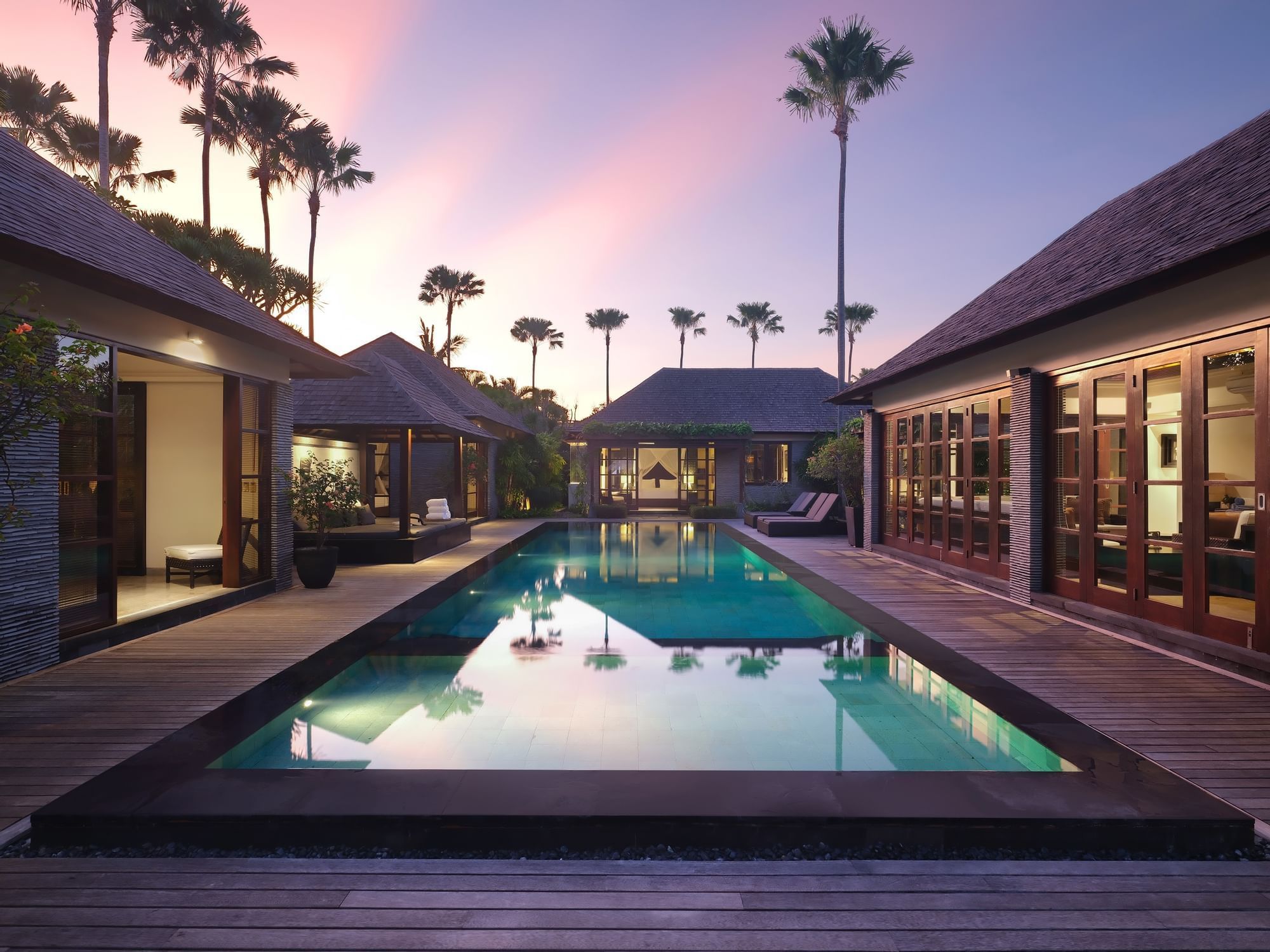
Seminyak is centrally located along Bali’s main tourism corridor. It sits north of Kuta and Legian, which are more budget-oriented areas, and south of Canggu, a fast-growing destination popular with digital nomads. Umalas lies nearby as a quieter residential option, while Denpasar provides administrative and commercial services.
Lifestyle & Leisure in
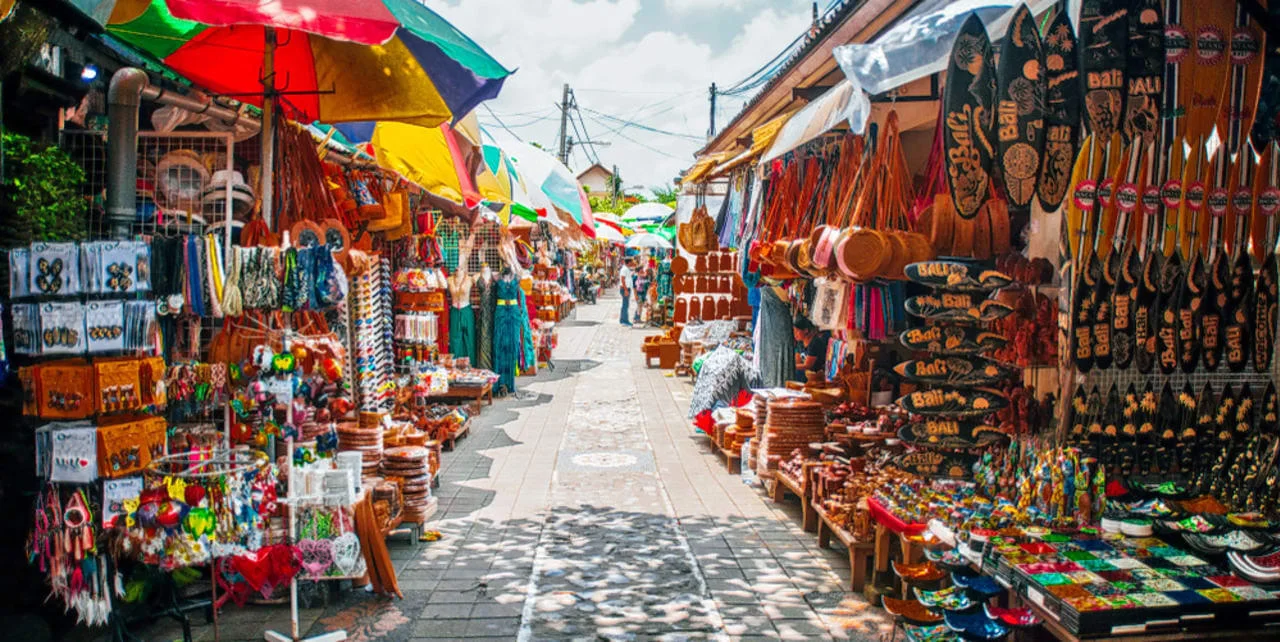
Shopping Malls
Seminyak focuses on boutique shopping rather than large malls.
Seminyak Square – central retail hub
Boutique stores along Jalan Kayu Aya
Art galleries across the area
Restaurants
Seminyak offers a wide range of international dining options.
Metis – French cuisine
Sarong – Asian fine dining
Motel Mexicola – Mexican restaurant and nightlife
Bambu – Indonesian cuisine
Other Nearby Dining Options
Trattoria – Italian
Kilo – Japanese fusion
Taco Casa – casual Mexican
Sardine – seafood restaurant
Beaches Near Seminyak
Seminyak Beach
Double Six Beach
Petitenget Beach
Leisure & Landmarks
Ku De Ta Beach Club
Potato Head Beach Club
Mrs Sippy
La Plancha
Petitenget Temple
Outdoor, Fitness & Beauty
Fitness centers and gyms
Yoga and wellness studios
Spa and massage services
Beach jogging areas
Community Events
Seminyak regularly hosts weddings, corporate retreats, fashion events, and wellness programs. Tourism peaks during July–August and December, bringing increased activity and events across the area.
Seminyak Location
Seminyak is a coastal area in southwest Bali, about 10 km from the airport and close to Kuta, Canggu, and Denpasar.
Frequently Asked Questions
What makes Seminyak a strong investment location?
What is the average ROI for properties in this area?
Which property types perform best?
Does demand vary throughout the year?
Is Seminyak suitable for full-time living?
How does Seminyak compare to other Bali areas?

Other Communities
Take a look at the new off-plan developments across the UAE.