
Project Highlights
Brief Overview
Denpasar is the capital and largest city of Bali, functioning as the island’s administrative and commercial center. With a population close to one million, it is a dense urban environment characterized by heavy traffic, diverse communities, and a mix of traditional and modern infrastructure. Unlike Bali’s coastal tourist hubs, Denpasar primarily serves local residents, making it a reflection of everyday Indonesian urban life rather than a leisure destination.
The city lacks a defined central district, with commercial areas, markets, and restaurants spread across multiple neighborhoods. Denpasar presents a blend of traditional Balinese culture and contemporary development, where local markets and temples coexist with malls and modern cafés. While it may feel overwhelming to visitors due to congestion and noise, it offers valuable insight into the island’s socio-cultural diversity and daily rhythms.
Key features
Capital city of Bali and major economic hub
Population close to one million residents
Mix of traditional markets and modern shopping malls
Lower cost of living compared to tourist areas
Diverse population from various Indonesian islands
Limited tourism infrastructure compared to coastal regions
Properties in Denpasar
About Denpasar
Denpasar serves as the administrative and economic center of Bali, housing government offices, educational institutions, and commercial establishments. The city plays a crucial role in supporting the island’s infrastructure and local economy, even though it is not a primary destination for international tourists.
There is no single developer or master-planned structure associated with Denpasar. Instead, the city has evolved organically over time, resulting in a sprawling urban layout with a mix of residential neighborhoods, business districts, and cultural sites.
Culturally, Denpasar retains strong ties to Balinese Hindu traditions, which are reflected in temples, rituals, and daily practices. At the same time, the presence of migrants from other Indonesian islands introduces cultural diversity, making it a representative example of Indonesia’s broader population mix.
Denpasar also functions as a gateway to other parts of Bali. Its central location provides convenient access to areas such as Sanur, Kuta, Seminyak, and Canggu, making it a practical base for island-wide travel.
Market Trends & Living Insights
Popular Property Types & Layouts
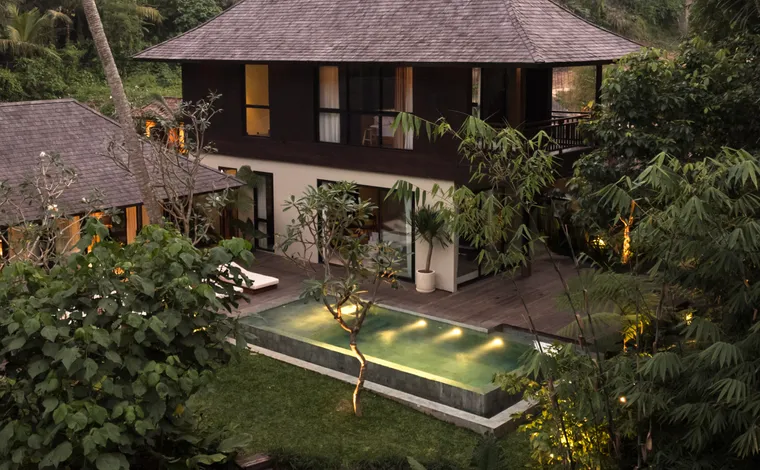
Denpasar consists mainly of local residential housing and urban developments rather than resort-style projects. Property types include:
Traditional Balinese houses in local neighborhoods
Urban residential homes
Small apartment units and boarding houses
Commercial shop-houses (ruko)
Layouts vary, with most properties designed for long-term local living rather than tourism.
Pros & Cons of Living in Denpasar
Pros:
Lower cost of living compared to tourist areas
Access to authentic local food and markets
Central location within Bali
Strong cultural and community environment
Cons:
Heavy traffic congestion
Limited pedestrian infrastructure
Not designed as a leisure or resort city
Noise and urban density
Transportation & Parking
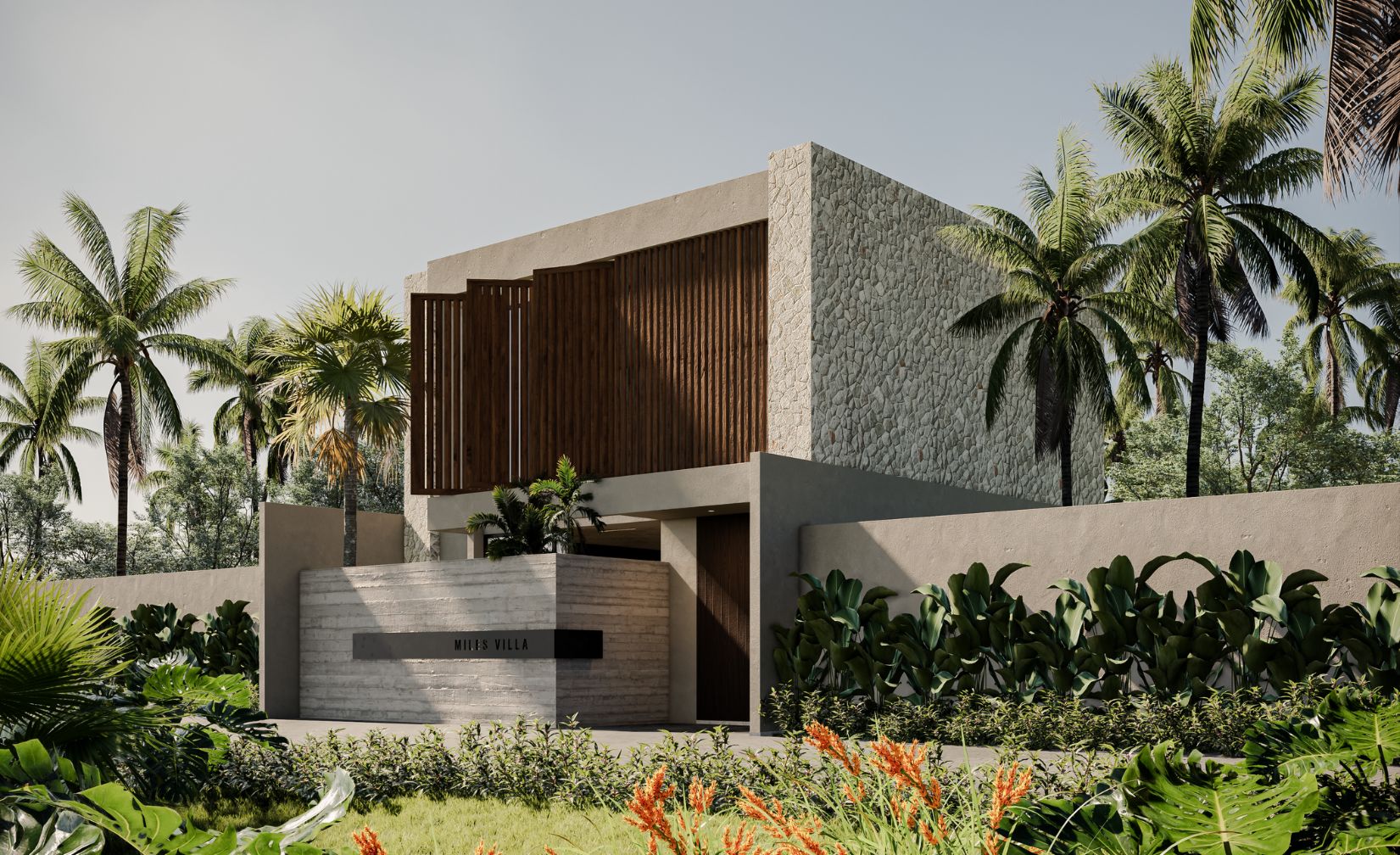
If you own a car in Denpasar, getting around is more convenient, but traffic congestion is common and can significantly slow travel times. Parking availability varies depending on the district.
Public Transportation in Denpasar
Public transport exists but is not widely used or highly efficient.
Trans Sarbagita bus system operating daily on limited routes
Trans Metro Dewata system with five corridors
Ngurah Rai International Airport located in Tuban (~30 minutes away)
Benoa Harbour serving sea transport
Major roads include Jalan Teuku Umar and Jalan Diponegoro
Ride-hailing services such as Grab and Go-Jek are widely used
Amenities, Schools & Healthcare
Supermarkets near Denpasar
Denpasar offers a mix of traditional markets and modern retail centers for daily shopping needs.
Matahari Department Store – Jalan Teuku Umar
Ramayana Mall – Jalan Diponegoro
Level 21 Mall – Central Denpasar
Pasar Badung – Traditional central market
Local minimarts across residential areas
Mosques, Temples, and Churches in Denpasar
Mosques: Mosques are present across residential districts, serving the Muslim minority community in Denpasar.
Temples: Hindu temples are central to the city’s cultural identity, including major sites such as Pura Jagatnatha and Pura Maospahit.
Churches: Christian communities are served by churches such as St. Joseph Church, which is known for its unique Balinese architectural style.
Schools and Higher Education in Denpasar
Schools:
Approximately 399 schools across primary to secondary levels
Includes public and private institutions
Vocational and religious schools available
Higher Education:
Udayana University
Warmadewa University
Mahasaraswati University
Bali State Polytechnic
Indonesian Institute of the Arts Denpasar
Clinics and Hospitals Near Denpasar
Public health centers operated by Denpasar City authorities
Community clinics across multiple districts
Health Polytechnic facilities in Denpasar
Private and public hospitals located throughout Bali
Nearby Areas of
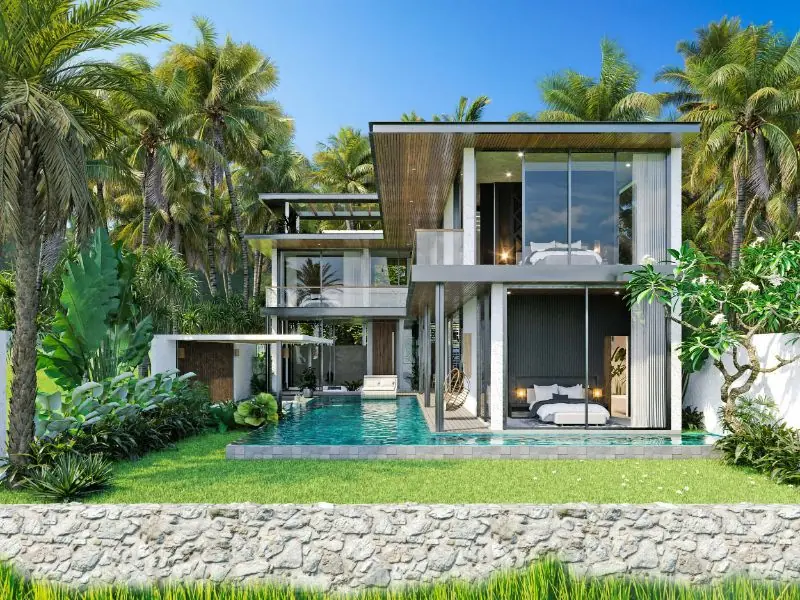
Denpasar is centrally located in South Bali and surrounded by several key areas. To the east lies Sanur, a quieter coastal neighborhood known for its relaxed atmosphere. To the west are Kuta, Legian, Seminyak, and Canggu, which are major tourist destinations offering beaches, nightlife, and entertainment. These areas are all within a short driving distance, making Denpasar a central hub for accessing the rest of Bali.
Lifestyle & Leisure in
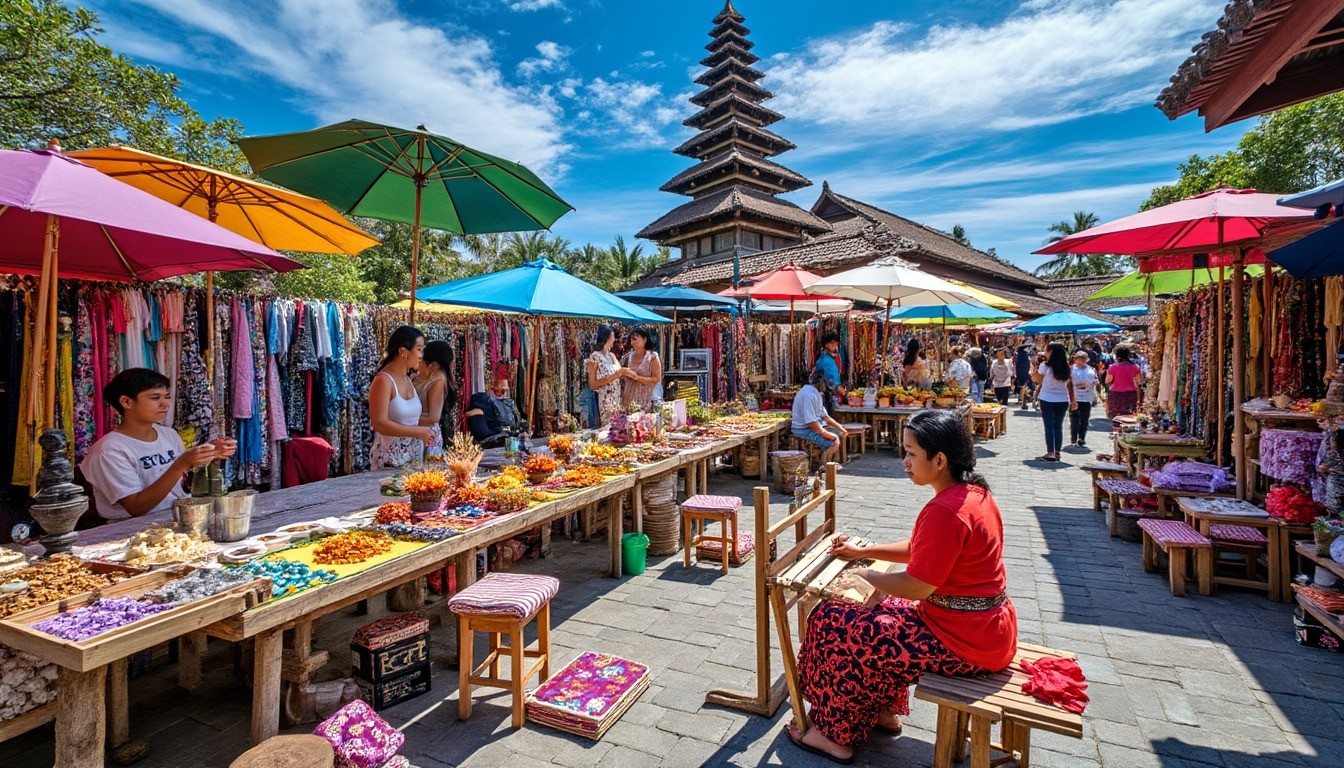
Denpasar offers a lifestyle focused on local culture, markets, and urban living rather than tourism-based leisure activities.
Shopping Malls
Denpasar has several malls located along main roads, offering modern retail options.
Level 21 Mall – Central Denpasar
Matahari – Jalan Teuku Umar
Ramayana – Jalan Diponegoro
Restaurants
Dining in Denpasar is centered around local Indonesian cuisine and casual eateries.
Traditional warungs throughout the city
Restaurants serving babi guling and ayam betutu
Local cafés and coffee shops
Other Nearby Dining Options
Street food stalls in residential and market areas
Traditional markets offering local dishes
Small family-run eateries across the city
Beaches Near Denpasar
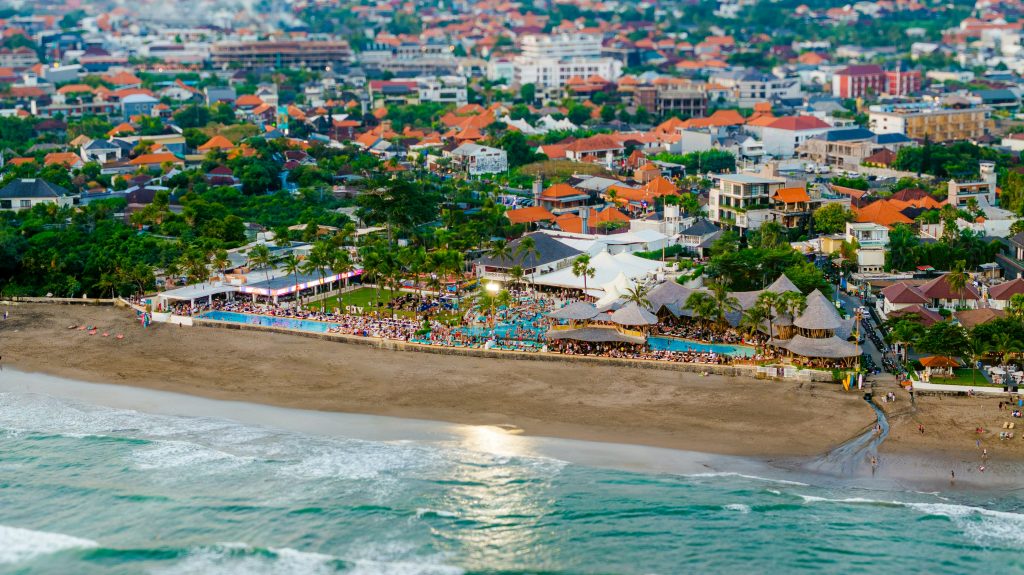
Sanur Beach (east of Denpasar)
Kuta Beach (west of Denpasar)
Legian Beach (west of Denpasar)
Seminyak Beach (west of Denpasar)
Leisure & Landmarks
Bali Museum – cultural and historical exhibits
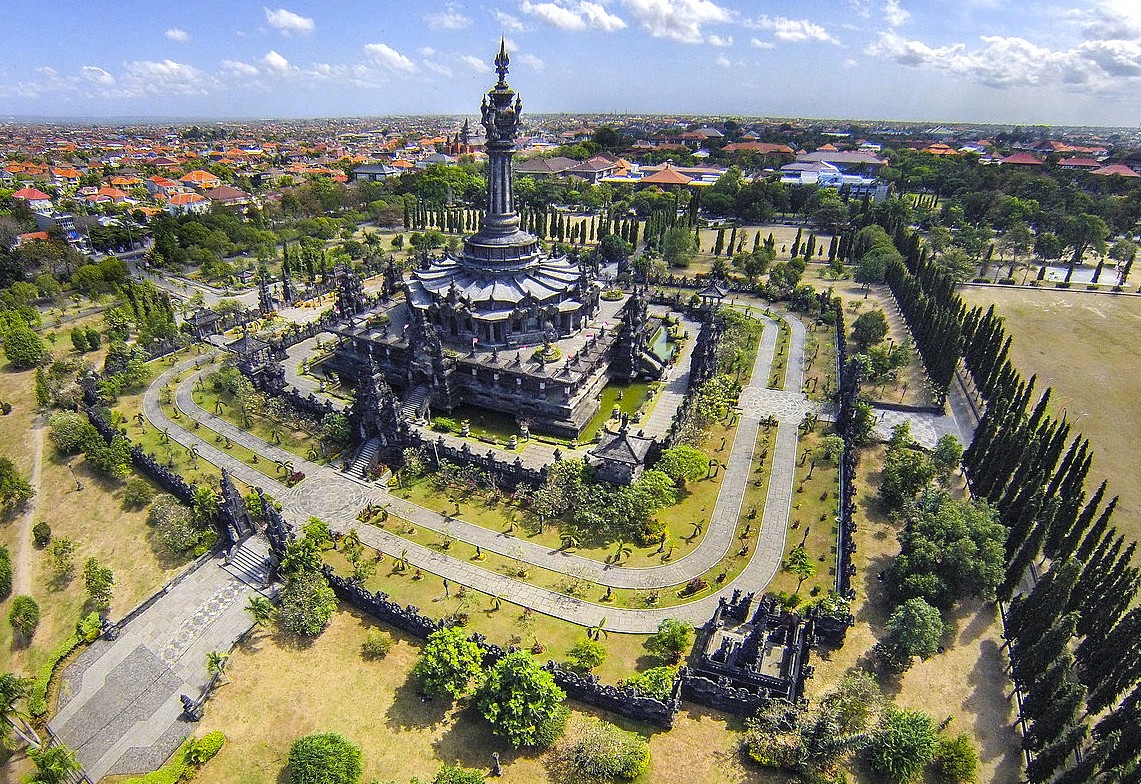
Bajra Sandhi Monument – major city landmark
Lapang Puputan Renon Park – public recreation area
Pasar Badung – traditional market experience
Outdoor, Fitness & Beauty
Lapang Puputan Renon Park for jogging and outdoor activities
Open public spaces used for community sports
Local gyms and wellness facilities across the city
Community Events
Denpasar hosts cultural and religious events throughout the year, including traditional Balinese Hindu ceremonies and the Ogoh-Ogoh parade held before Nyepi Day. Community gatherings in public parks and markets are also common.
Denpasar Location
Denpasar is a central city in southern Bali about 30 minutes from Ngurah Rai International Airport, with easy access to Sanur, Kuta, and Seminyak.
Frequently Asked Questions
What is Denpasar known for?
Is Denpasar a tourist destination?
What is transportation like in Denpasar?
Are there beaches in Denpasar?
What kind of food is available in Denpasar?
Is Denpasar suitable for walking?

Other Communities
Take a look at the new off-plan developments across the UAE.